

Personalized candles
- Price, low to high
- Price, high to low
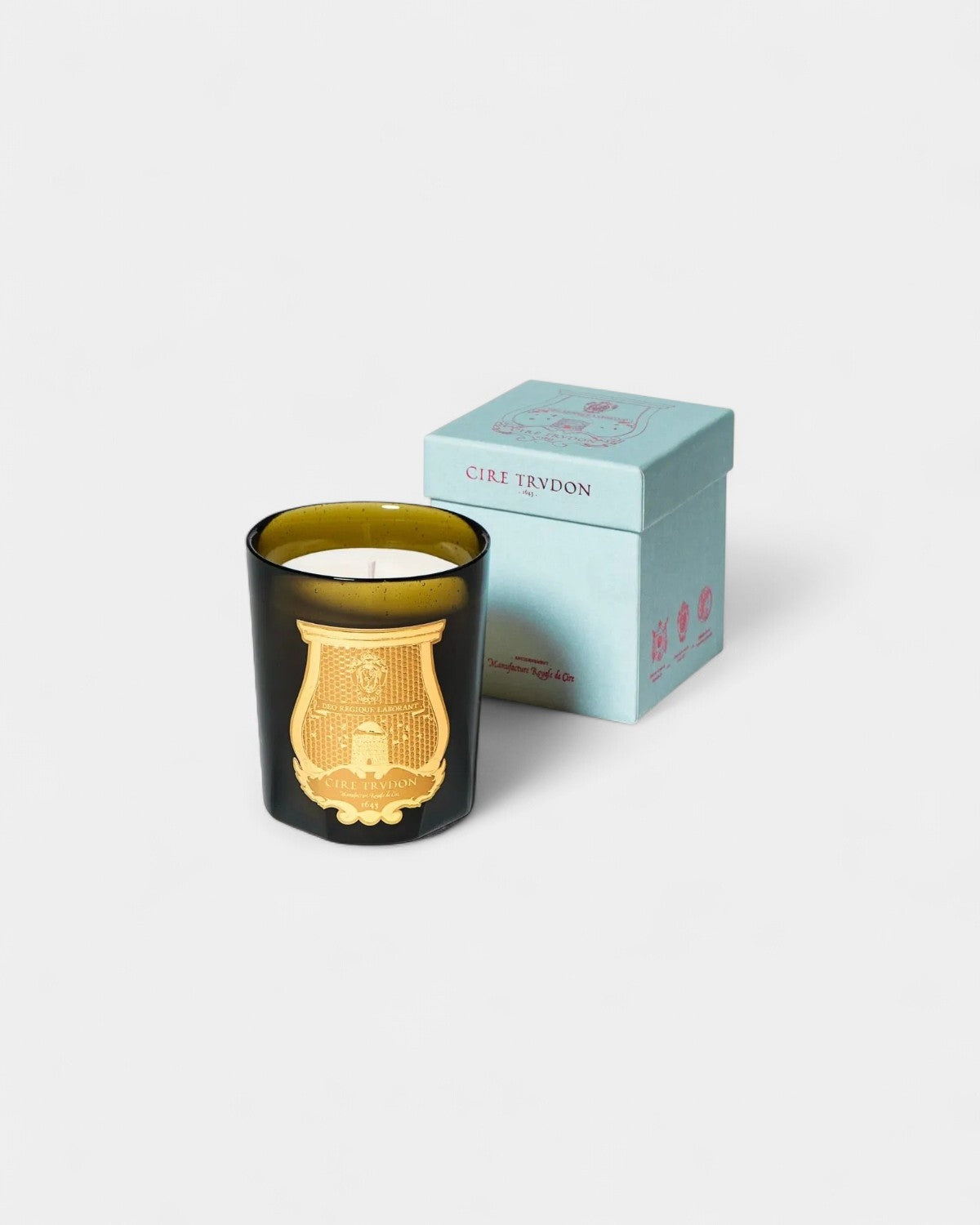


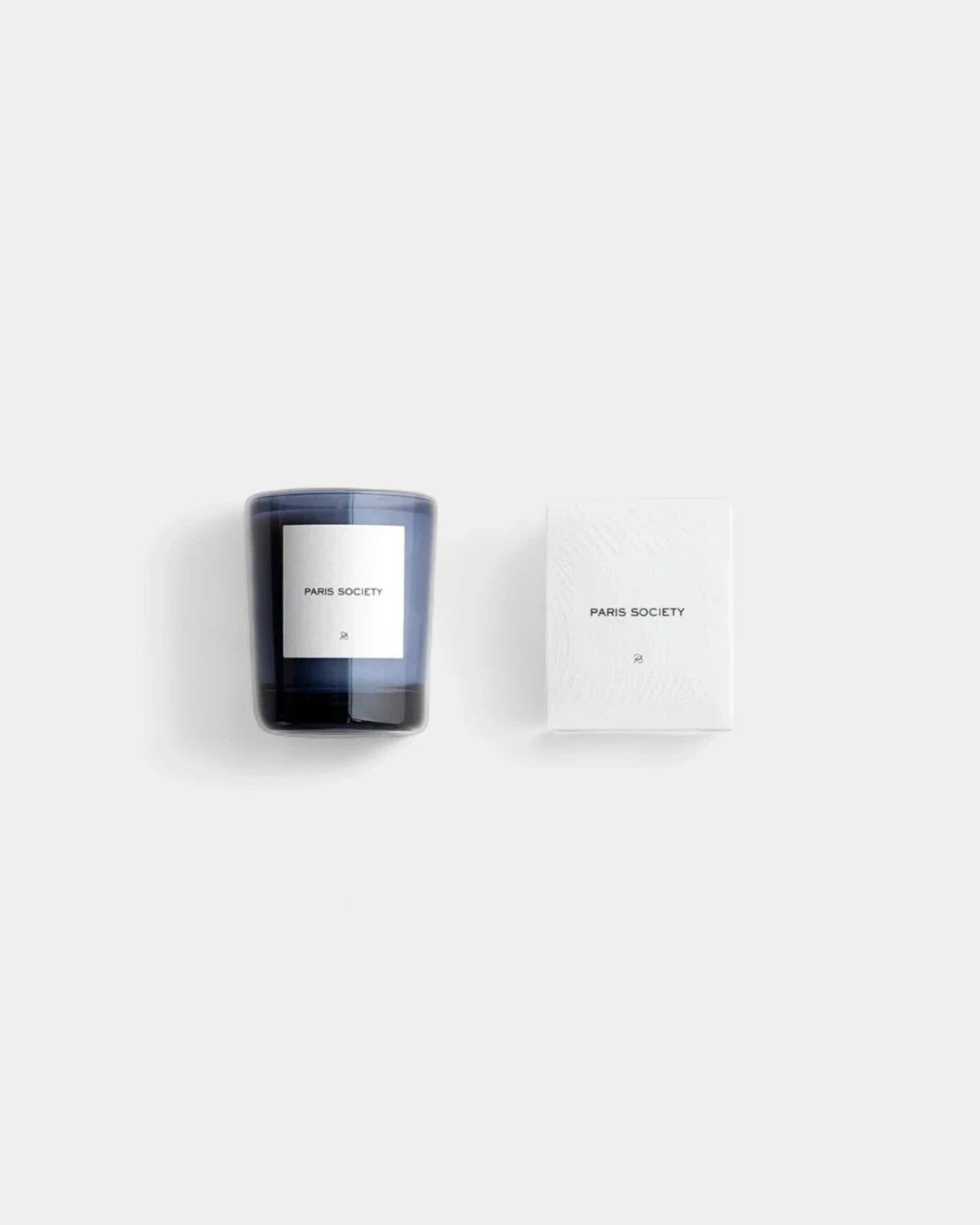


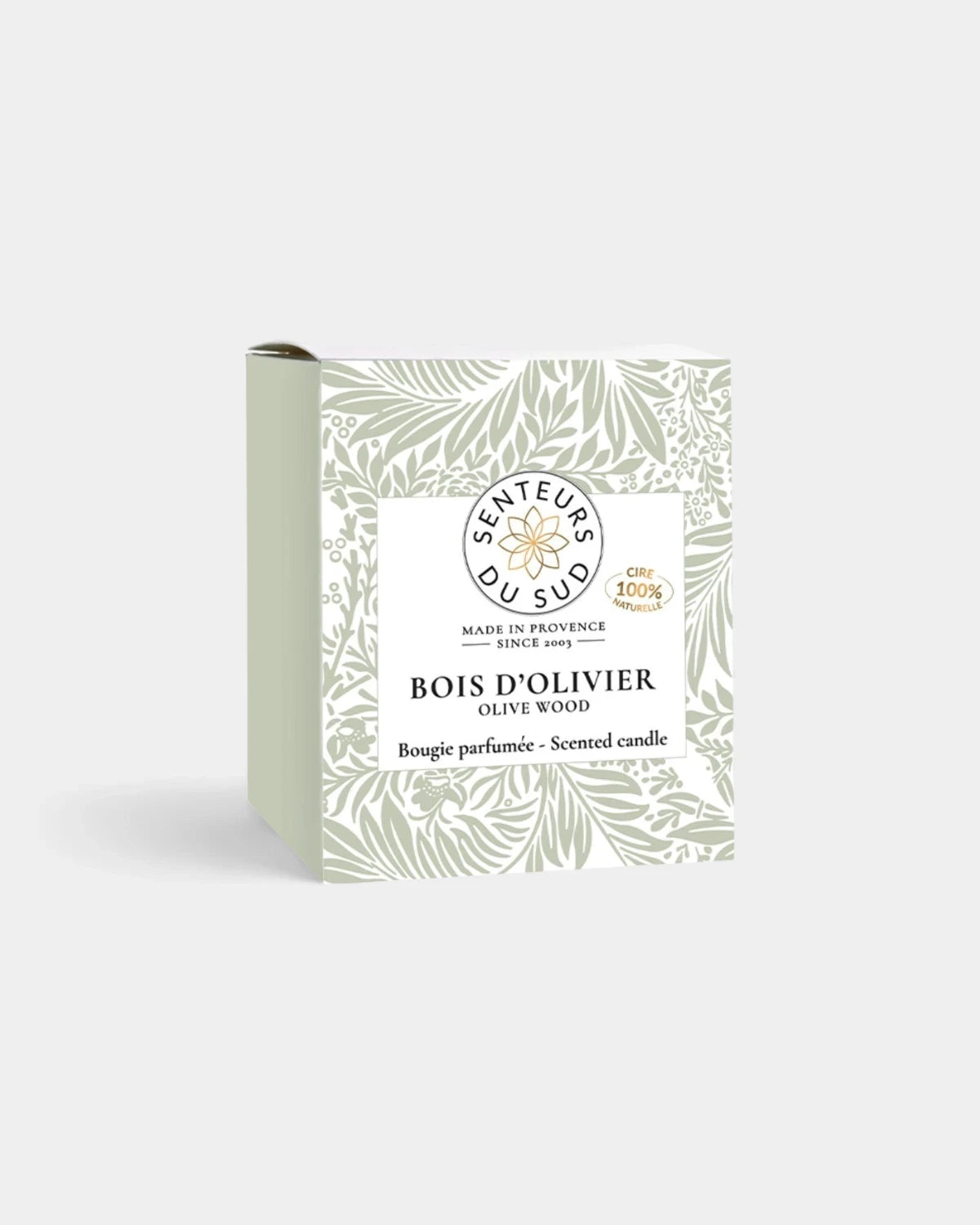


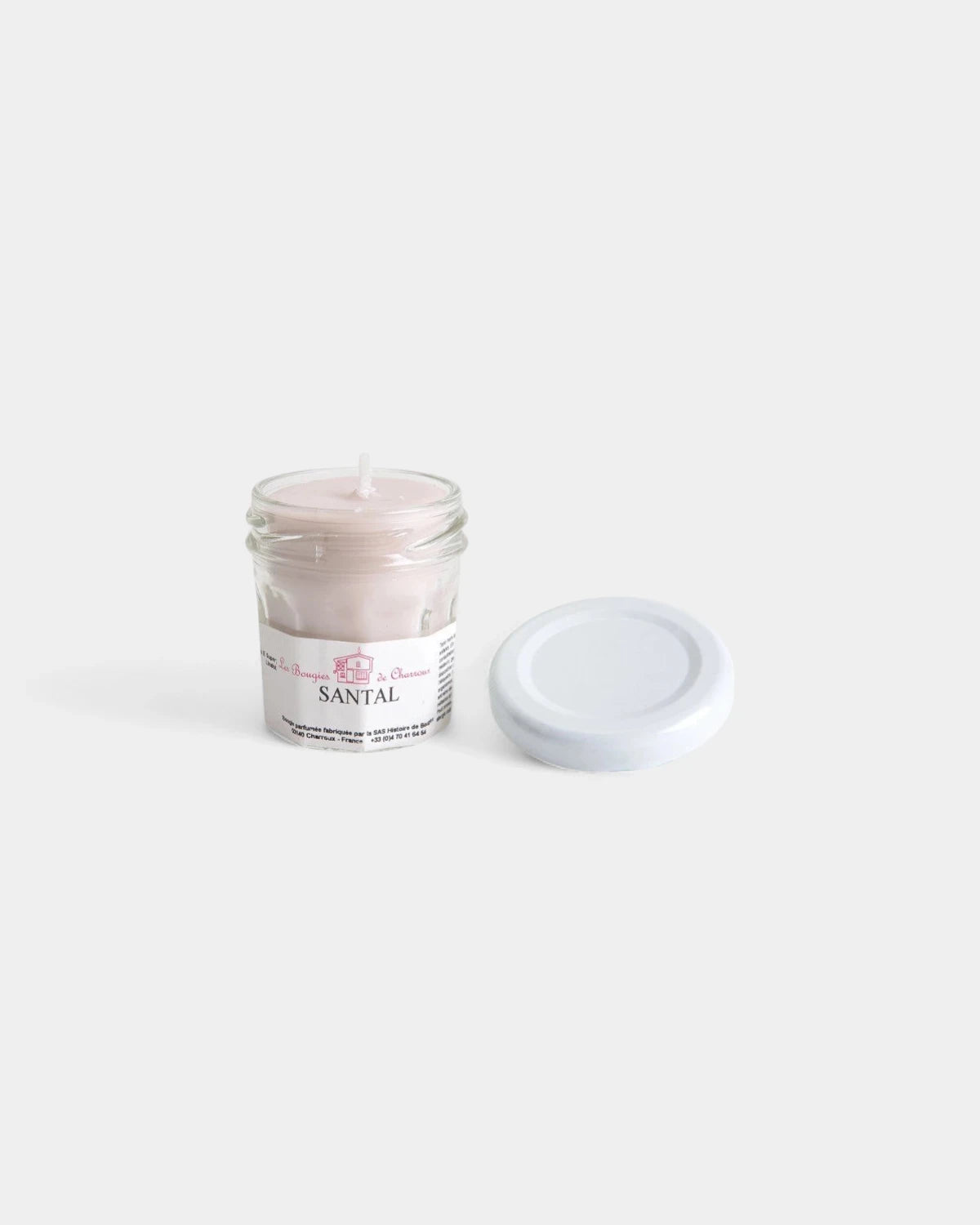




 Made in the Netherlands
- Eco-friendly




- Made in the Netherlands
- Eco-friendly




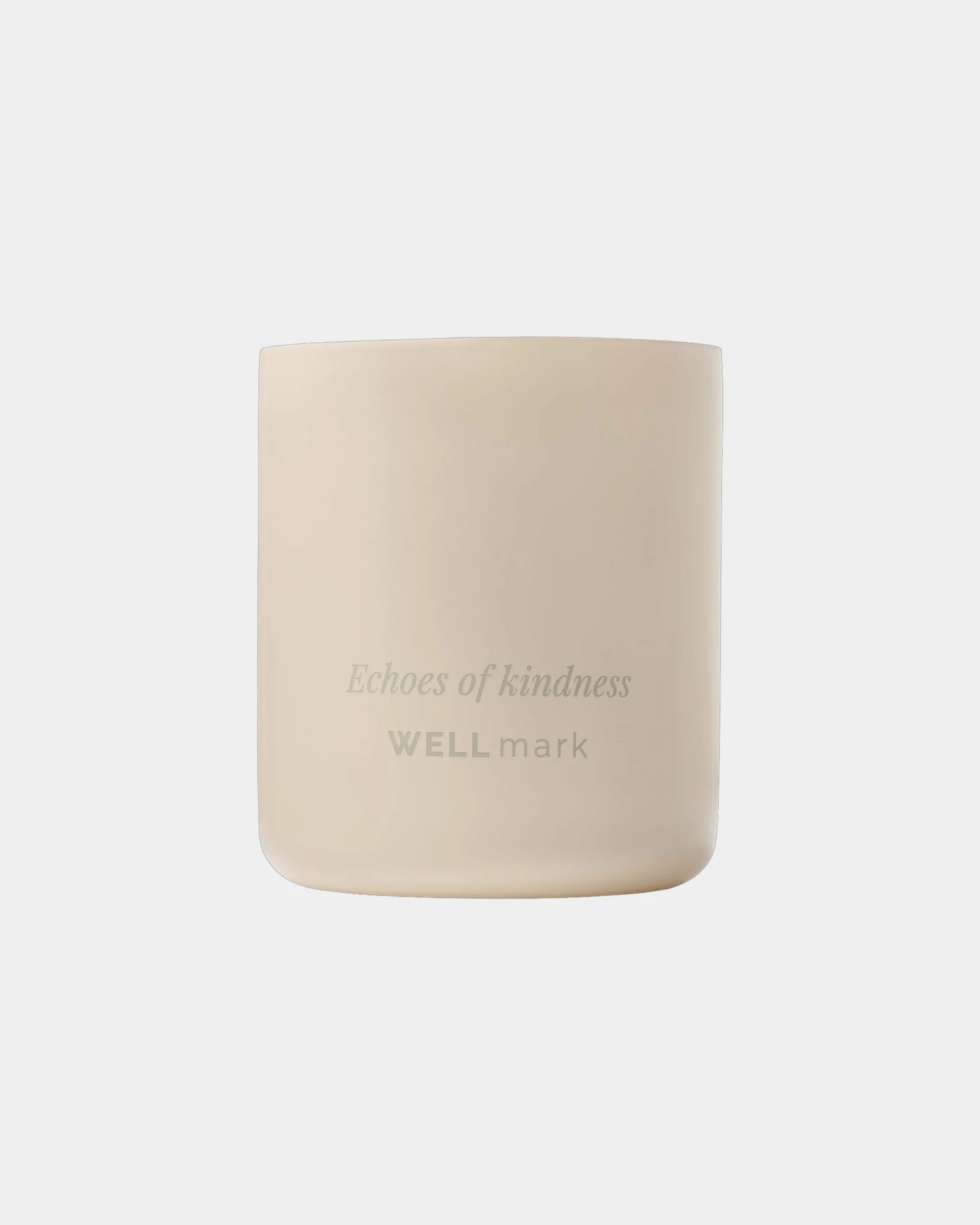




Treat your clients and employees!

FAQ - Custom candles
Trusted by 1,000+ companies
Why custom candles read as a considered gift
Custom candles on a director's desk are read before they are lit. When the glass carries your logo and a scent chosen for the moment, the gift reads as a considered object rather than the stock giveaway a generic import becomes. That single design choice does more for the brand than a louder print would, because it places the company alongside careful gifting rather than a warehouse run.
The pour and the finishing are confirmed by the maker, so what the page states holds up rather than being dressed up. The scent work draws on established perfumery craft, specified per line rather than borrowed from a named house. A client who turns the glass over finds the branding and the finish hold up, which is the whole point of a bespoke candle.
The register also changes who a personalised candle suits. A premium client thank-you, a hospitality amenity or a long-service mark all want an object that signals care, and a well-finished candle signals it without a price tag attached. A throwaway event giveaway rarely needs this register, so match the finish to a recipient who will register it.
The corporate-gift case rests on that read. Corporate Gift Boxes frame a branded candle as the hero of a considered parcel, where the box, the tissue and the candle share one finish. The candle carries the scent and the logo; the box carries the brand, so the recipient keeps an object rather than an advert.
Choosing the wax for personalised scented candles
Soy and vegetable wax for personalised scented candles
The wax decides how the candle burns and how the eco story reads, so settle it before the scent. Soy wax burns cooler and slower than paraffin and throws scent steadily, which suits a long hospitality amenity. A vegetable-wax blend offers a similar clean burn with a different texture in the glass. Both are the maker's formulations, and some lines are poured in France to the maker's spec.
Soy and vegetable waxes also carry the sustainability question many buyers raise first. The exact wax composition and any plant-based or vegan status is printed on each candle's own product spec, since it varies by the line you pick. We do not assert a blanket green label across the range, because the formula is what it is per pour, not a category slogan.
Burn behaviour follows the wax and the vessel together. A wider glass with a single wick burns to the edge differently from a tall tumbler, and the maker states the approximate burn time for each format. As a guide, a mid-size soy candle runs in the region of 30 to 40 hours, model-dependent, so check the line before promising a figure to a client.
The scent throw matters as much as the burn. A candle for an open hotel lobby needs a stronger cold and hot throw than one for a small spa treatment room. The fragrance load is set by the maker per scent, so a brief that names the room size lets the right candle be specified rather than guessed.
| Wax | Burn character | Best setting | Eco note |
|---|---|---|---|
| Soy wax | Cool, slow, steady throw | Hospitality, spa amenity | Plant-based, per line spec |
| Vegetable-wax blend | Clean burn, soft finish | Client and staff gifts | Composition on product spec |
| Soy-coconut blend | Stronger hot throw | Open lobby, larger rooms | Stated per pour, not range-wide |
The glass and tin vessels for personalised scented candles
The vessel is the part the recipient keeps long after the wax is gone, so it carries most of the branding weight. A printed glass tumbler holds full-colour artwork and a coloured base; an engraved glass takes a frosted, colourless logo cut into the surface for a quieter, more premium read. The choice sets the whole tone of the gift. Across custom candles, this surviving glass or tin is where most of the spend earns its place.
A tin vessel suits a different brief again. It travels without the breakage risk of glass, which matters for a goody-bag mailed at volume or an event handout passed hand to hand. The lid also doubles as a cover, so a tin candle packs and ships more forgivingly than a lidless glass for a large multi-site run.
Match the vessel to where the candle ends up. A bedside glass in a boutique hotel wants the engraved, restrained finish; a Christmas staff gift can carry the brand colour in a printed glass with no loss of warmth. The same scent in two vessels reads as two different gifts, so the format is a design decision, not a default.
A reusable vessel is also where the longevity argument sits plainly. An empty engraved glass becomes a pen pot or a small planter on a desk, keeping a discreet logo in view without a marketing line attached. That after-life is the maker's vessel doing the work, not a promise of months of brand exposure.
Printing and engraving the label on personalised scented candles
Engraving versus printing custom candles
The label and the vessel decide the marking method, so settle the vessel first. A glass tumbler takes a printed wrap-around label or a direct full-colour print; a frosted or clear glass takes laser engraving cut into the surface. A tin takes a printed lid or a wrap. Each surface behaves differently, so the artwork is built to the chosen body.
Engraving reads as the premium route because the mark is colourless and permanent, cut into the glass rather than sitting on it. It suits a senior-client or long-service candle where a loud print would cheapen the object. Printing wins where the brand lives in a specific colour that has to be matched exactly, since engraving cannot carry a Pantone.
The branded label is where most of the message goes. Beyond the logo, a label can carry the scent name, the burn time and a short line for the occasion, which turns a plain candle into an addressed gift. A retirement candle naming the years served reads as a gesture; the same candle with a bare logo reads as stock.
We can send a free sample of the chosen vessel and finish before a full run is committed. The engraving depth, the label colour and the way the print sits on a curved glass are then signed off on the real candle, not a flat proof. That one check removes the most common surprise on a glass body.
| Vessel | Marking method | Where the mark sits | Best for |
|---|---|---|---|
| Printed glass | Full-colour wrap or direct print | Around the glass body | Brand-colour gifts, Christmas |
| Engraved glass | Laser engraving | Cut into the surface | Senior client, long service |
| Tin candle | Printed lid or wrap | Lid face or body | Event handouts, mailed runs |
| Branded label | Printed adhesive label | Front or base of vessel | Scent name, occasion line |
Custom candles as corporate and client gifts
A custom candle answers a specific corporate brief: a gift that feels personal without becoming a personal-taste gamble. Scent is universal enough that a well-chosen fragrance lands across a client list, while the branding gives the buyer something concrete to stand behind. That combination is why the candle keeps appearing on premium gifting shortlists. It is also why personalised scented candles sit so comfortably on a client list where a personal-taste gift would feel like a gamble.
The register shifts with the relationship. A candle to a met client wants the engraved glass and a scent picked to a known room. A wider client mailing wants a safe, broadly liked fragrance in a printed vessel. Treating both the same is the usual slip, leaving the close relationship under-served and the broad one over-personalised.
A candle also pairs cleanly into a larger gift without fighting it. Custom food hampers gain a sensory centre when a branded candle sits among the food items, the scent setting the tone before the box is unpacked. The candle reads as the considered piece while the hamper carries the volume and the occasion.
Keep the value proportionate to the recipient. A single engraved candle in a considered box reads as generous to one client; a printed tin at volume reads as a warm, useful handout to many. The point of the custom candle is that it was chosen, so the finish should match how well the company knows the person.
Custom candles for hospitality and in-room amenity
Hotels, spas and serviced apartments use candles as a signature, and custom candles let a property carry its own brand into the room. A bedside or bathroom candle carrying the hotel's name in an engraved glass reads as part of the room design rather than a freebie. That is exactly the register an amenity needs.
Scent consistency is the operational ask here. A property that runs a candle across many rooms wants the same fragrance and burn behaviour in every pour. The maker's per-line spec matters more here than on a one-off gift. Lock the scent and the vessel at the first order so a reorder six months on matches the rooms already dressed.
Burn time drives the amenity economics. A turndown candle lit for an evening needs a different size from a lobby candle burning through service hours, and the maker states an approximate run per format. A property sizing an amenity programme should plan to the stated burn figure rather than a hopeful estimate, since a candle that dies mid-evening undoes the effect.
Safety sits with the property, not the gift. The maker provides the burn and care guidance printed on each candle, and a hospitality buyer should pass that to housekeeping for unattended-flame rules. The page makes no safety claim of its own; the handling guidance is the maker's, shown on the candle and its packaging.
Choosing the fragrance for personalised scented candles
The scent does the emotional work, so it deserves more thought than the logo. A fragrance is the maker's spec, built on established perfumery craft rather than borrowed from a named town or house. The page states no invented origin for the scent, because that is what holds up under scrutiny.
Match the fragrance to the season and the setting, not just to a favourite. A warm amber or spiced note suits a Christmas staff gift and a winter hospitality amenity; a lighter floral or citrus suits a spring client mailing or a spa room. A brief that names the occasion lets the maker's range be narrowed to scents that fit.
Strength is a separate decision from the note itself. The same fragrance can be loaded for a strong throw in an open space or kept subtle for a small room. The cold-throw and hot-throw behaviour is set per scent by the maker. A candle for a busy reception and one for a quiet office are not the same specification.
The page makes no health or wellbeing claim about any scent. The fragrance composition and any allergen information is the maker's, printed on each candle's own product detail, which a recipient with a sensitivity can check. The candle is a gift, not a therapeutic product, and the copy keeps to that line.
| Setting | Scent direction | Throw needed | Occasion fit |
|---|---|---|---|
| Winter staff gift | Warm amber, spiced | Medium to strong | Christmas, year-end |
| Spa or treatment room | Soft floral, herbal | Gentle, contained | Wellbeing amenity |
| Open hotel lobby | Fresh, citrus, woody | Strong cold and hot | In-room signature |
| Spring client mailing | Light floral, green | Medium | Thank-you, seasonal |
Personalised scented candles for the Christmas gifting season
Christmas is the strongest moment for scented candles, because a scented candle reads as a warm seasonal gift in a way a branded pen never will. A custom candle lifts that further, giving a year-end thank-you to staff or clients an object they keep into the new year. The finishing turns a seasonal handout into a considered gift.
Plan a Christmas candle run early, since the production window and the seasonal rush both push back lead times in the final quarter. Personalised Christmas gifts cover the wider festive range, but a candle anchors a Christmas parcel as the sensory piece while the smaller items fill it out around the scent.
A festive scent and a brand-colour vessel are the seasonal levers. A spiced or warm fragrance signals the season without a snowflake on the label, and a printed glass in the company colour keeps the gift on-brand. Over-decorating a Christmas candle dates it to one year; a clean festive scent in a branded vessel reads well past December.
Volume planning matters most at Christmas. A staff list and a client list often want the same scent but different vessels and value bands, so one scent set-up can serve both tiers from a single order. Lock the fragrance and the artwork at the first brief to keep the December run consistent across both groups.
Personalised scented candles for the individual recipient
A name or a short message on the label turns a stock candle into a personal one, which is the lever for the low-volume, high-value end. A long-service candle naming the years, or a client candle carrying a thank-you line, reads as addressed rather than dispatched. The branding retreats and the personal note leads.
Personalisation adds a set-up step, so it belongs on the considered tier, not the mass handout. A run of fifty named candles for a leadership group is a different order from five hundred identical printed tins for an event. Deciding which tier a candle sits in first keeps the artwork and the unit cost aligned with the run.
A named candle also sits well inside a comfort gift for the same recipient. Personalised Blankets turn a personalised candle into a wind-down set for a long-service mark. The blanket carries the brand on the hem while the candle carries the name and the scent.
The vessel decides how personal a candle can read. An engraved glass carrying a single name reads as a keepsake; a printed label carrying a name reads as a warm but lighter gesture. Match the depth of personalisation to the relationship, since an over-personalised mass gift wastes the set-up.
Keep one element constant across a personalised run to hold it together. A shared scent and vessel with only the name changing reads as a designed set; varying everything reads as assembled. A leadership group then opens visibly matching candles that each still carry their own name, which is the effect a milestone gift wants.
Pairing custom candles into a wider gift
A candle rarely travels alone in a premium gift, and the items beside it shape how it reads. Custom soaps pair naturally with a scented candle for a self-care or spa box, the soap and candle sharing a fragrance family so the gift reads as composed.
Let the candle stay the sensory centre of any pairing. The other items support the scent rather than crowd it, so a box built around a branded candle should not bury it under louder pieces. The candle sets the tone the moment the box opens. In any wider parcel, custom candles should stay the hero rather than disappear among louder pieces.
Smaller carriers keep a multi-item gift tidy. Custom cosmetic bags hold a travel candle and a soap as one unit for a mailed wellness gift. The bag takes the embroidery while the candle stays clean of competing logos.
A pairing also lets a budget stretch across tiers. A single engraved candle suits a top client; the same scent in a printed tin, set beside a low-cost item, suits a wider list. One scent set-up then serves both ends of a gift run without a second pour to brief.
Packaging and shipping custom candles safely
Custom candles in glass need protection a mug or a pen does not, so the pack is part of the order, not an afterthought. A rigid box with a moulded or foam insert holds the glass against courier handling, and a tin candle relaxes that need where a run is mailed individually. The vessel choice and the shipping route decide the pack together.
Wax adds a temperature note to the shipping. Heat softens or sweats a candle's surface and can mark a label, so a summer run or a hot warehouse spell wants cool, dry storage between pour and handout. A candle that arrives perfect can still disappoint if it spent a heatwave in a hot store cupboard before reaching a desk.
A home-delivery split reshapes the pack again. A candle posted to an employee's home needs a protective mailer that survives a doorstep drop and a discreet outer that does not announce the contents in a shared hallway. Confirm every recipient address before the artwork is signed off, never afterwards, since a glass candle is unforgiving of a wrong send.
Production runs on a three-week window after artwork sign-off, with the pour, the personalisation and the packing inside that. A printed tin moves faster than an engraved glass with a custom insert, so the vessel and finish you pick set the calendar. Brief a fixed-date run, a Christmas or an event, well ahead of that window.
| Vessel | Pack needed | Storage note | Shipping flag |
|---|---|---|---|
| Glass tumbler | Rigid box, foam insert | Cool, dry, upright | Breakable, courier care |
| Engraved glass | Moulded insert, rigid box | Out of direct heat | Premium, protect surface |
| Tin candle | Lidded, lighter outer | Cool, dry | Travels well, mailable |
| Boxed set | Insert plus outer mailer | Cool store between drops | Confirm home addresses |
Reorders and consistency for personalised scented candles
A candle programme depends on the reorder matching the first run, so lock the spec early. The scent, the wax, the vessel and the label artwork should all be fixed at the opening order. A hospitality property or a recurring staff gift then reorders the same candle months on without a visible drift in fragrance or finish. Locking the spec early is what lets personalised scented candles repeat cleanly across a programme.
Scent is the part that can shift between batches if the brief is loose. Naming the exact fragrance and load at the first order, rather than a general direction, gives the maker a reference to pour back to. A property dressing rooms across a year wants the bedside candle in March to smell like the one ordered in September.
Volume and lead time move together on a reorder. A repeat run of an established candle clears faster than a first order, since the artwork and the set-up already exist. A peak season still needs the three-week window respected. Plan a recurring programme's drops against the calendar rather than ordering each time the stock runs low.
Hold one element constant to keep a long programme coherent. A property or a brand running candles across many touchpoints, rooms, gifts and events, reads as designed when the scent and vessel stay fixed and only the occasion line changes. That consistency is what turns a series of orders into a recognisable signature.
Custom candles by sector and recipient
The same maker's pour is bought for very different reasons, and the sector behind the order steers the vessel and the finish before the scent is settled. A premium client thank-you, a hospitality in-room amenity, a year-end staff send and a long-service recognition piece each pull a different candle. Naming the sector first usually narrows the vessel and the marking method before the fragrance is even discussed. The reason a buyer reaches for custom candles shifts with the sector, and so does the finish that suits it.
Matching personalised scented candles to the buyer
A senior-client gift leans to an engraved glass and a scent picked to a known room, where a loud print would cheapen the object. A hospitality group leans to a consistent vessel and scent that match across every room and reorder cleanly. A Christmas staff send leans to a printed glass in the company colour carrying a warm seasonal note. A long-service mark leans to a named label that reads as addressed rather than dispatched. The table sets each sector against the candle that fits it.
| Sector | Suited vessel | Marking | Why it fits |
|---|---|---|---|
| Senior client gift | Engraved glass | Laser cut | Restrained, premium read |
| Hospitality amenity | Consistent glass or tin | Printed or engraved | Matches across rooms |
| Christmas staff send | Printed glass | Brand-colour wrap | Warm, on-brand seasonal |
| Long-service mark | Named label glass | Engrave plus label | Reads as addressed |
- Soy or vegetable wax, per-line spec
- Printed or engraved glass, or a mailable tin vessel
- Branded label carrying logo, scent name and occasion
- Approx 30 to 40 hour burn, model-dependent
- Free sample of vessel and finish before a full run
- Three-week production after artwork sign-off

