

Branded Tea Tins
- Price, low to high
- Price, high to low
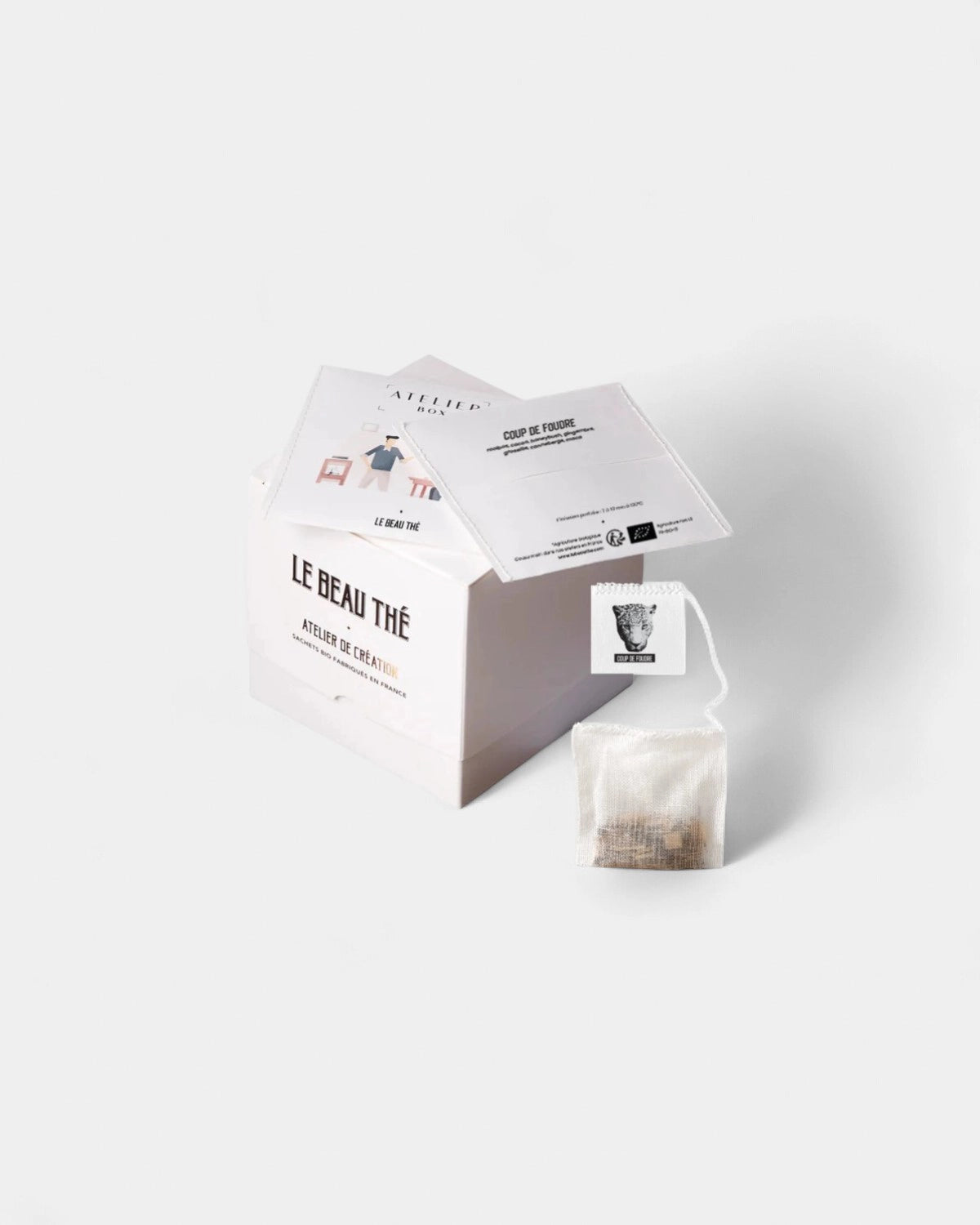


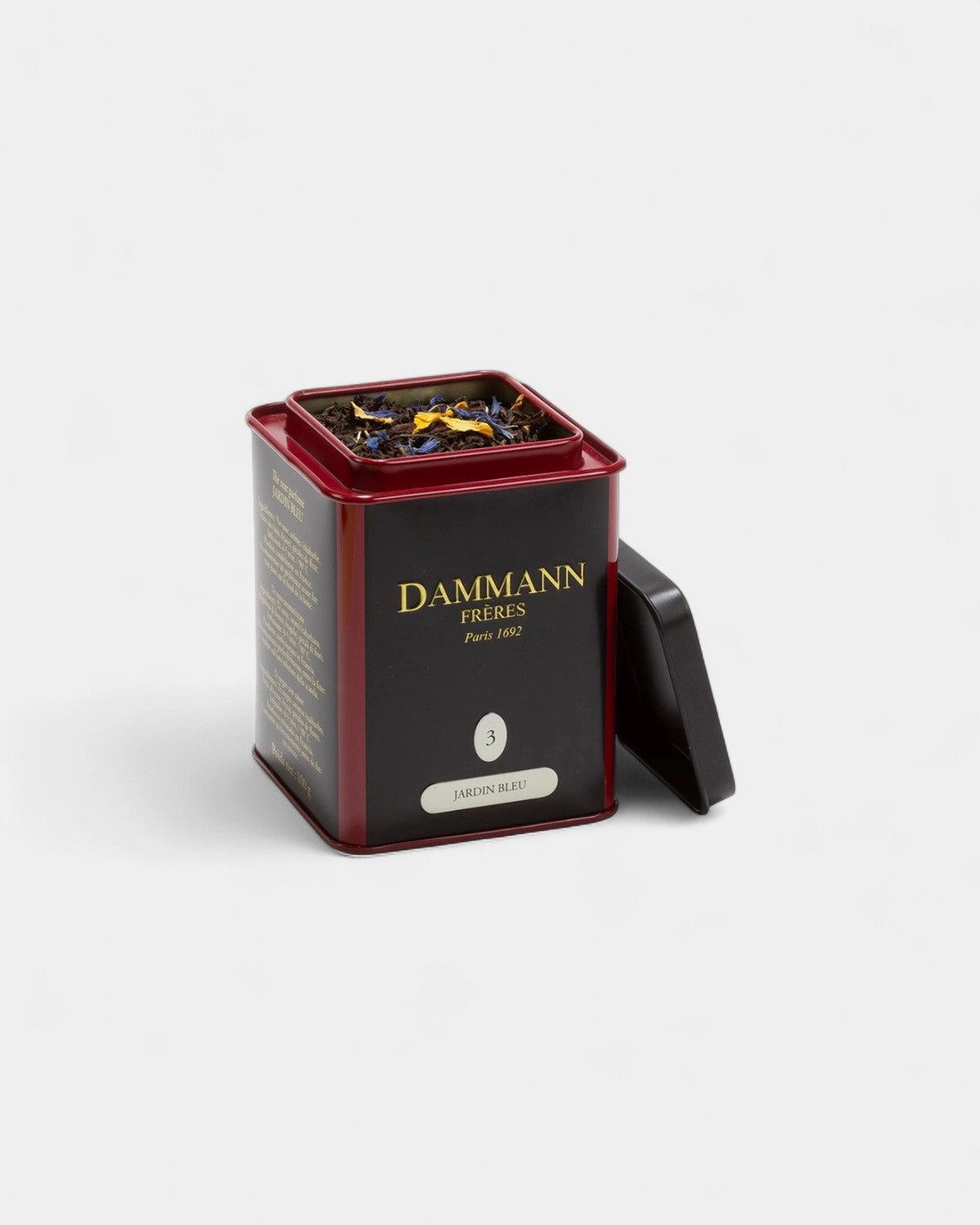


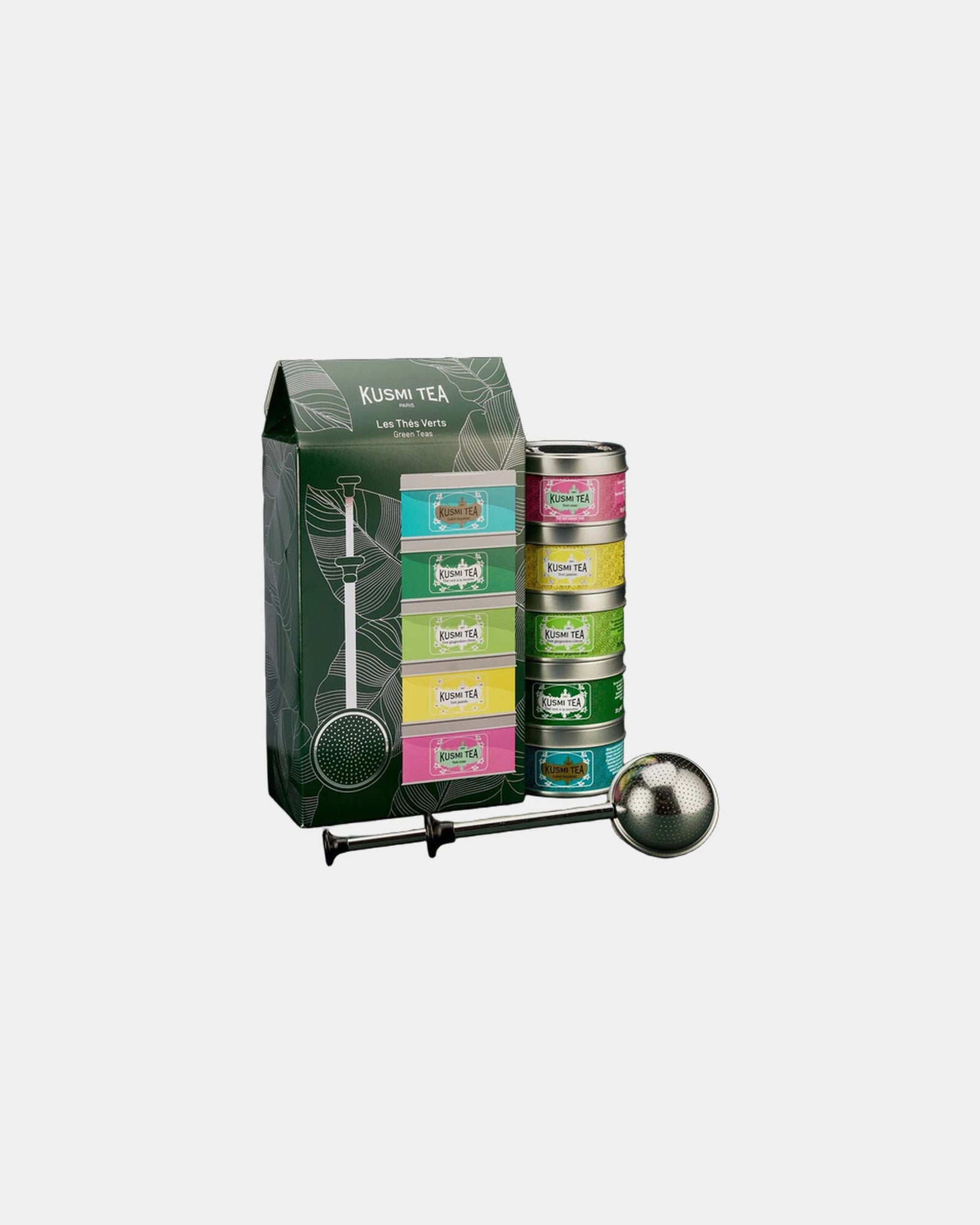


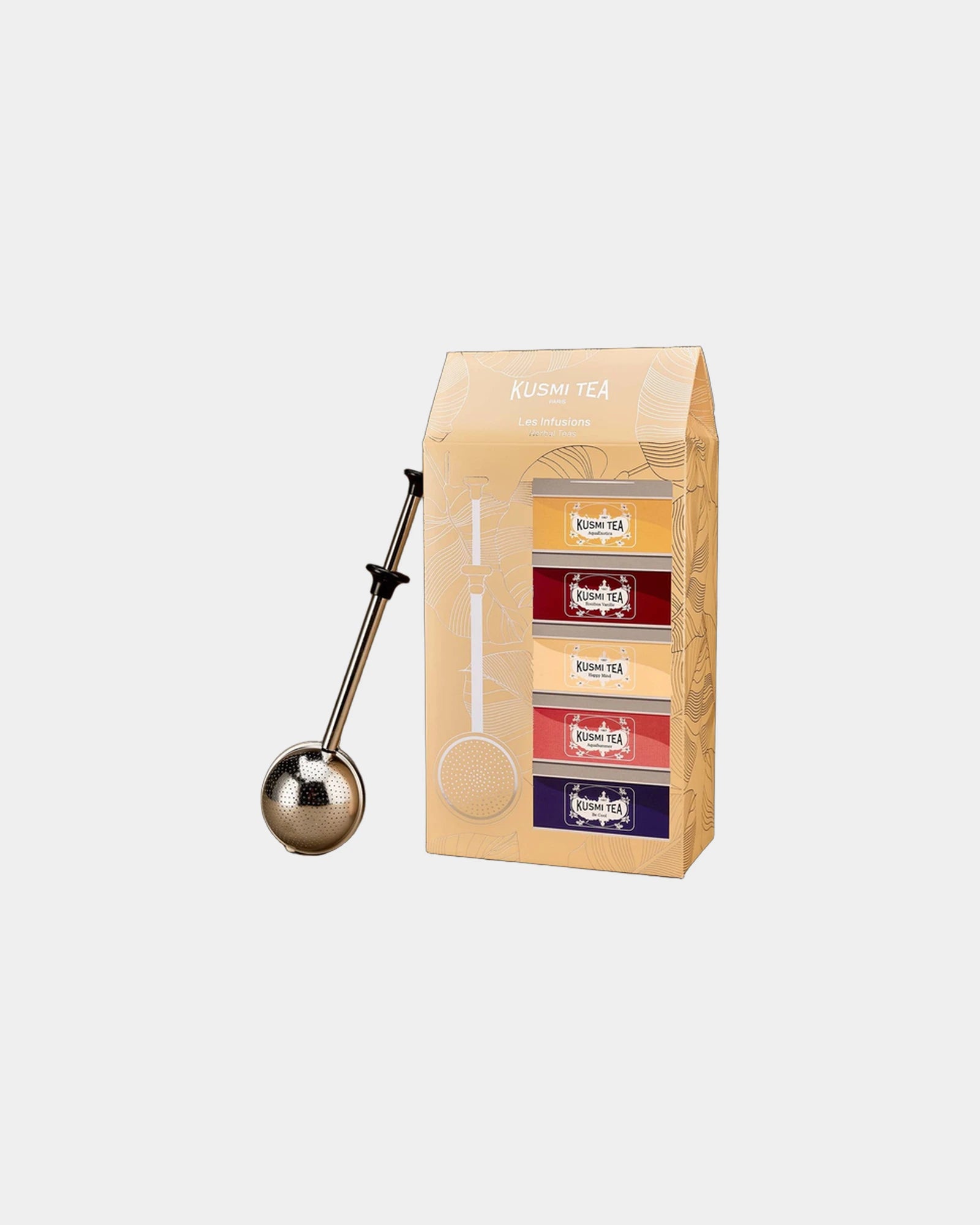










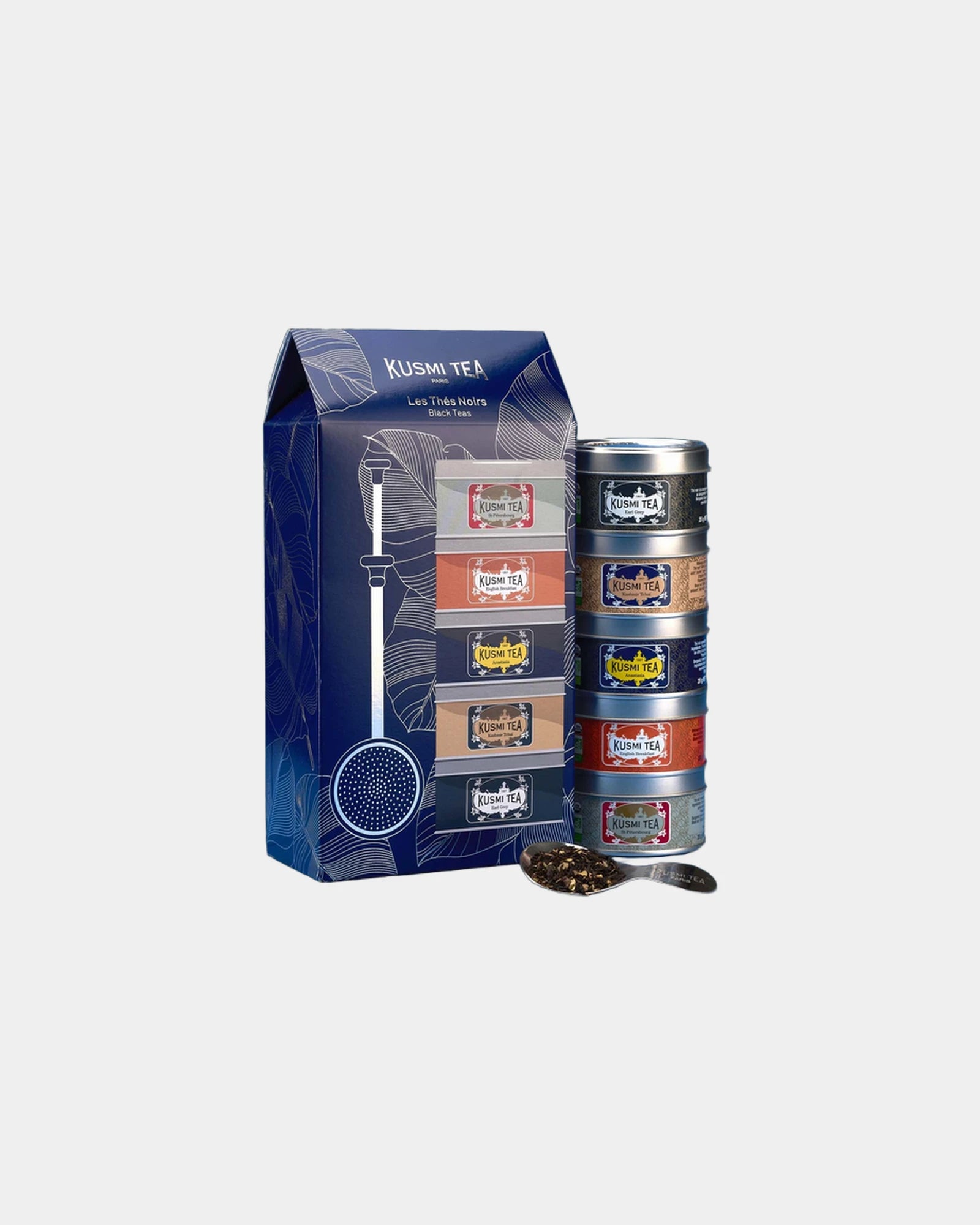


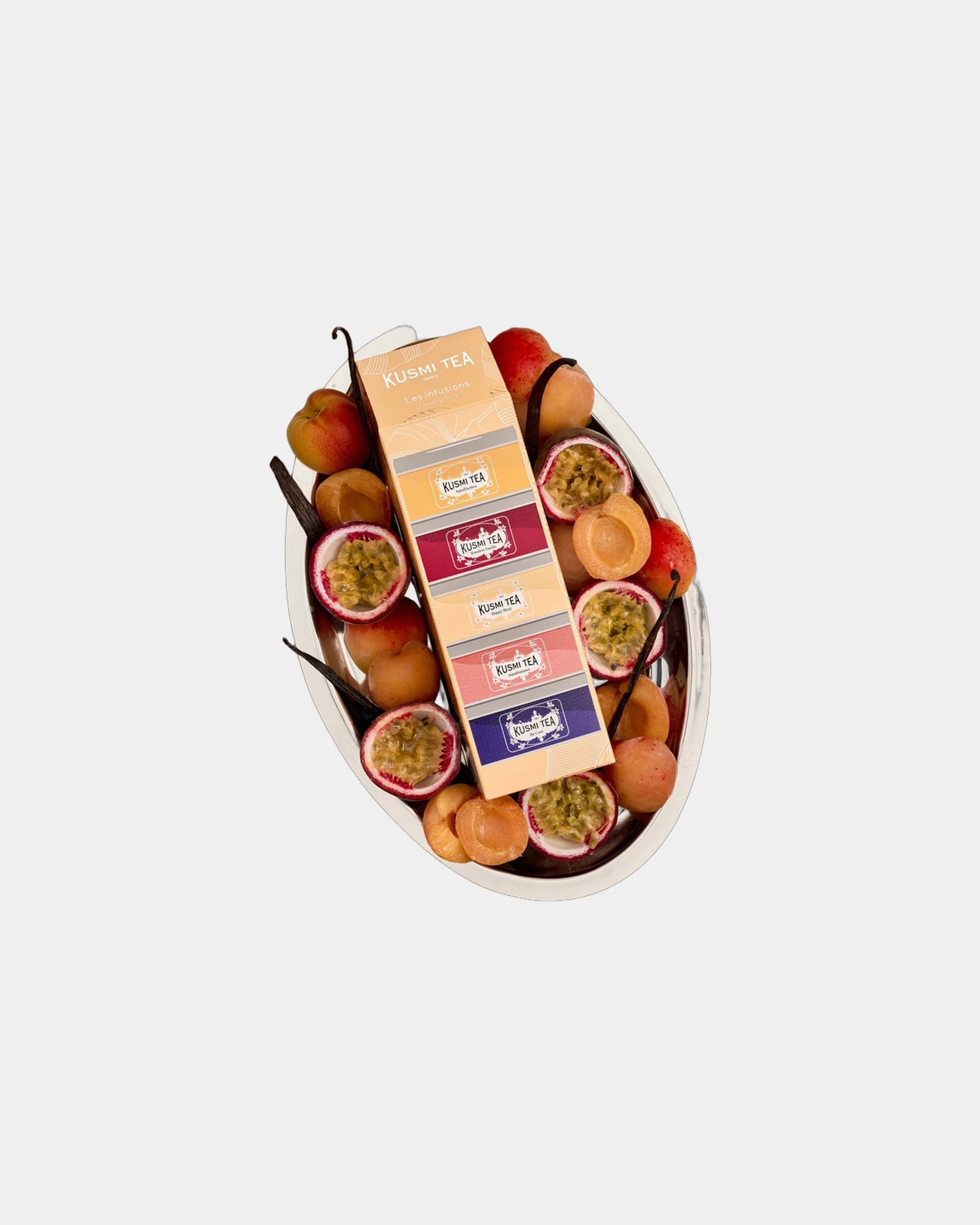


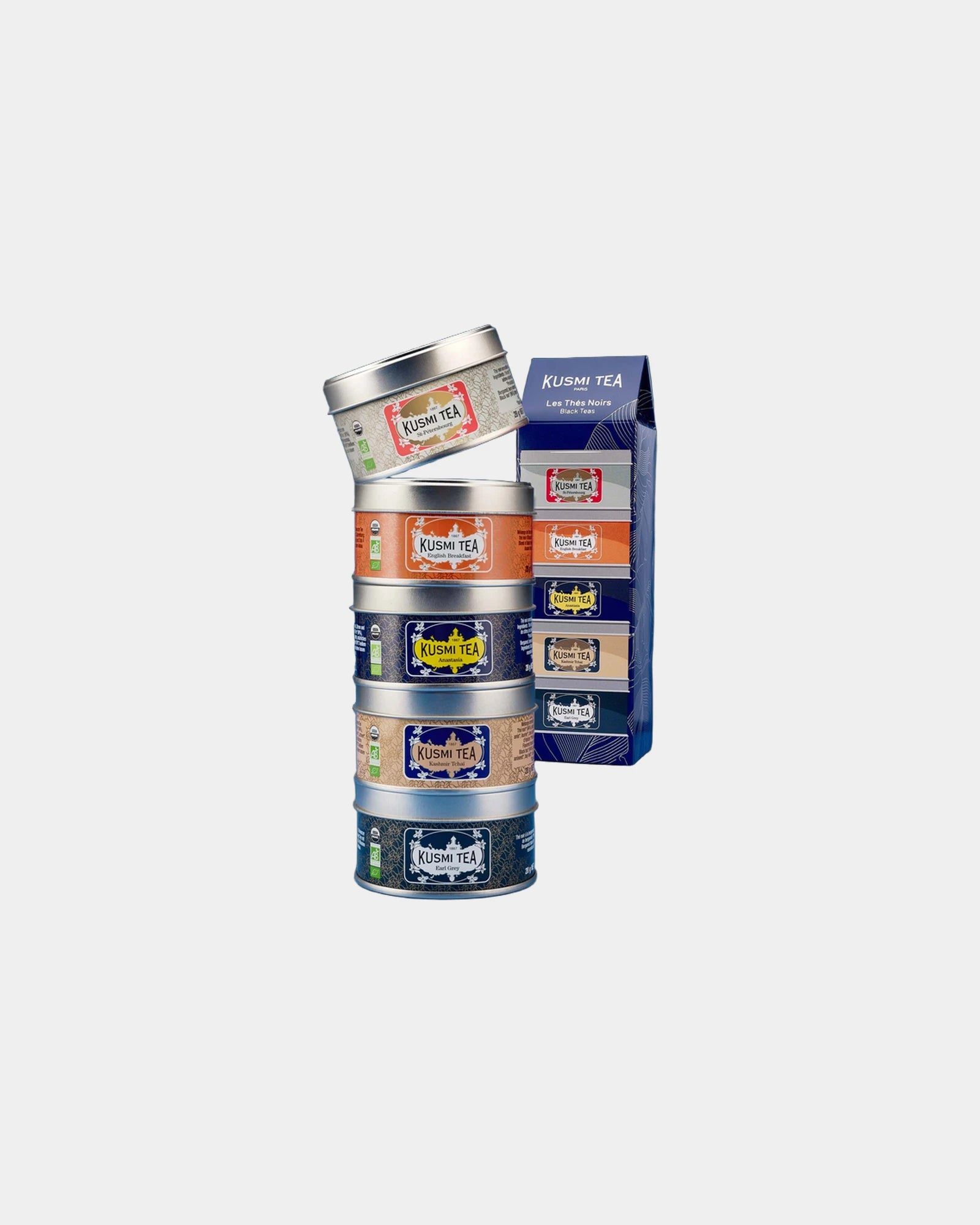


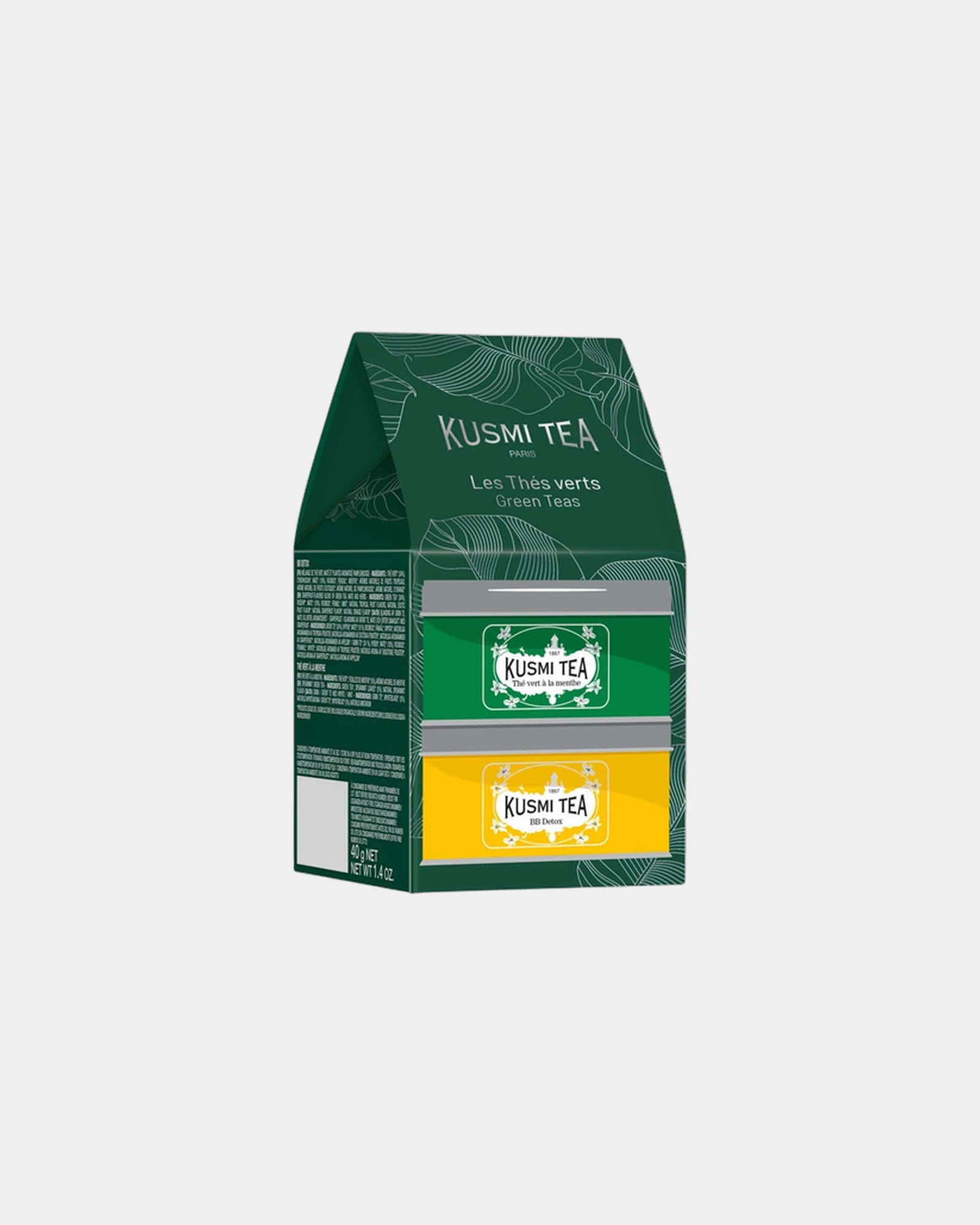


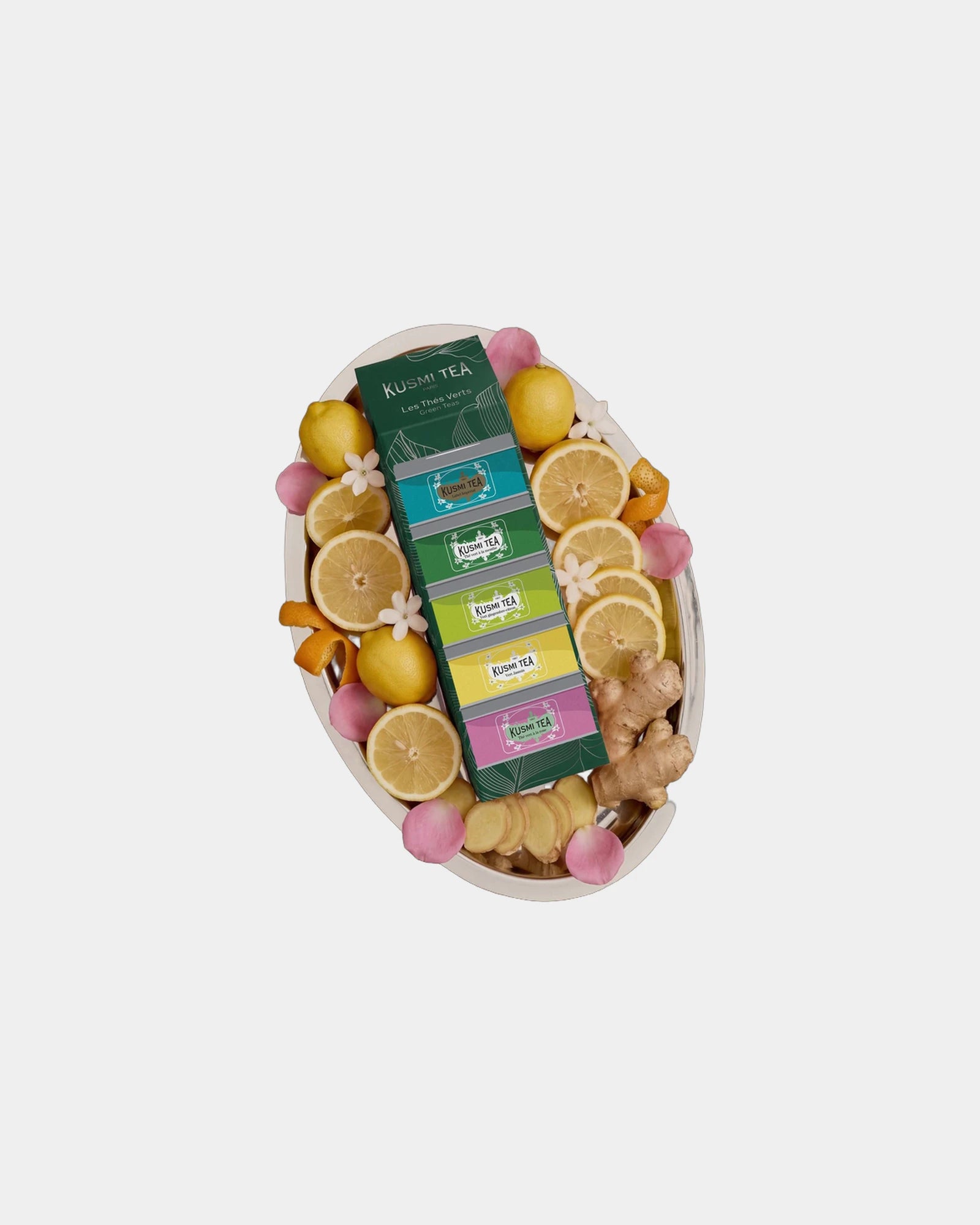


Treat your clients and employees!

FAQ - Engraved Tea Caddies
Trusted by 1,000+ companies
Tinplate, stainless and kraft-tube personalised tea caddies
The body material sets the cost, the weight and the look of personalised tea caddies long before any finish goes on. Three bodies cover almost every brief, and each suits a different brewing use and price point.
Tinplate is the standard caddy body: food-grade steel with a thin tin coat, light, and it takes a sharp emboss into the metal. Stainless steel is the heavier, premium body that resists dents and reads as the long-life keeper on a kitchen shelf. A kraft cardboard tube with metal ends is the lowest-cost, lightest body, suited to sampler fills and large giveaway lists.
Weight matters once a personalised tea caddy ships in a posted box, since a stainless 250g tin stresses a mailer a kraft tube would not. Tell us the audience and the brewing use, and we steer the body to it. We point you to tinplate for the everyday gift, stainless for the hero present, kraft for volume.
| Body | Weight | Takes | Best for |
|---|---|---|---|
| Tinplate steel | Light | Emboss and full print | Everyday gift, loose-leaf |
| Stainless steel | Heavier | Print, brushed finish | Hero gift, long-life keeper |
| Kraft tube, metal ends | Lightest | Wrap label, print | Sampler fill, volume lists |
| Aluminium slim tin | Light | Print, anodised colour | Travel and pocket caddies |
What makes branded tea tins airtight
The liner that does the sealing in custom tea caddies
The seal is the whole point of a personalised tea caddy, because loose-leaf tea stales fast in light, air and damp. A tin that does not close tightly is a biscuit box with your logo on it, not a working caddy.
Airtight performance comes from a two-part lid plus a liner inside it. The inner liner is the part doing the seal, and its material decides how well a blend holds. An LDPE inner plug presses against the tin wall and slows the air exchange that dulls a blend within weeks. A silicone-seal lid grips harder and resists odour transfer, which suits a strongly scented infusion. A bare push-on lid with no liner seals least.
A single push-on lid suits a personalised tea caddy opened daily for tea bags, where quick access matters more than a perfect seal. A double-lid caddy with the inner plug is what protects a loose-leaf blend for months and reads as the considered gift. Tell us whether the caddy holds loose-leaf or pre-bagged tea, and we match the liner to that brief.
| Lid and liner | How it seals | Holds best | Access |
|---|---|---|---|
| Double lid, LDPE plug | Plug grips the tin wall | Loose-leaf, months of store | Two-stage open |
| Double lid, silicone seal | Compresses, resists odour | Scented infusions, long store | Two-stage open |
| Single push-on lid | Friction fit over rim | Tea bags, daily use | Quick, one-hand |
| Screw-thread lid | Threaded close | Travel or posted fill | Twist, resealable |
Window versus solid custom tea caddies
A solid tin and a window tin send two different signals on a shelf, and the choice changes what the recipient sees before they open it. Both take the same airtight inner liner underneath, so the seal does not change.
A solid caddy is a clean, all-round canvas. The full body wraps in your colour, your pattern or a printed photograph, with nothing interrupting the design. It suits a brand-led gift where the tin itself is the object and the tea inside is a bonus. Personalised food gifts use the same wrapped-tin print when a hamper needs one visual language across several items.
A window caddy carries a clear panel, usually on the lid or the front, that shows the loose-leaf inside. It works when the blend is the hero: a green tea with visible whole leaves, a fruit infusion with petals and peel. The window proves the tea is real product, not a token fill.
A window does cost the tea its full darkness, so a window caddy suits a gift opened and used within a season rather than a long-store keeper. We point you to solid for shelf-life, window for show.
| Format | What it shows | Best for | Shelf-life note |
|---|---|---|---|
| Solid double-lid | Printed or embossed body | Brand-led gift, long store | Best darkness, longest freshness |
| Window lid | Loose-leaf through a panel | Blend as the hero | Use within a season |
| Single push-lid | Plain or printed body | Tea-bag caddy, daily use | Good for bagged, not loose-leaf |
| Clear-bodied tin | Whole leaf all round | Display gift, hampers | Shortest, light-exposed |
Printing, embossing and engraving on personalised tea caddies
The finish on personalised tea caddies decides whether the tin reads as a premium keepsake or a stock container, and the metal bodies take three distinct treatments. Each suits a different budget and a different look.
A full-colour print wraps the whole tin in CMYK: a photograph, a gradient, a repeat pattern or an edge-to-edge design. It is the route for a bold, colourful caddy and it carries detail that an emboss cannot. An emboss raises or recesses your logo into the metal itself, so the mark is felt as well as seen. A debossed crest on a plain tin is the restrained finish, the one that survives years of handling. This is the engraved caddy that gives the page its name.
A printed paper or vinyl label is the lowest-cost, fastest route, applied to a stock tin or a kraft tube. It suits short runs and quick turnarounds where a tooled emboss is not warranted. We flag which finish your artwork and quantity actually justify rather than default to the dearest.
| Finish | Look | Durability | Best run size |
|---|---|---|---|
| Full-colour wrap print | Photographic, edge to edge | Good, can scuff over years | Mid to large |
| Raised or recessed emboss | Felt, understated | Highest, does not wear off | Small to mid, needs tool |
| Printed label on stock tin | Clean, fast | Fair, surface-applied | Short, quick turnaround |
| Spot colour plus emboss | Restrained, tactile | High | Client and VIP runs |
Capacity and fill weight for branded tea tins
Why leaf grade changes the fill in custom tea caddies
Caddy size is the number most buyers under-think, because the tin has to suit both the tea it holds and the place it will sit. A 50g desk tin and a 250g kitchen caddy are different gifts with different costs.
A mini caddy of roughly 30 to 50g holds a sampler of loose-leaf or a handful of pyramid bags, and it posts in a letterbox-friendly box. It is the volume gift for a large client list. A standard caddy of 100 to 125g is the everyday size, enough loose-leaf for a few weeks of brewing. A larger caddy of 200 to 250g reads as the hero present and the kitchen-shelf keeper.
Fill weight to volume shifts sharply with the leaf grade, which is the spec most buyers miss. A fluffy whole-leaf green or a hand-rolled oolong takes far more tin volume per gram than a dense broken black. So a 100g tin sized for breakfast black will overflow if you switch it to a whole-leaf green at the same gram weight. We confirm the fill against the exact blend before sizing the tin.
Capacity also drives the print area, since a taller tin gives the design more room to breathe. Match the capacity to the recipient: a desk-drop wants the mini, a board-level thank-you wants the large refillable tin.
Personalised tea caddies supplied empty or filled
A personalised tea caddy can ship as an empty keeper or arrive filled with loose-leaf, and the two routes serve different briefs. The decision changes the lead time, the cost and the labelling.
An empty caddy is bought for the tin itself: a refillable container the recipient stocks with their own tea, or a branded vessel a buyer fills in-house. It carries no food content, so it ships purely as a printed-tin order with no allergen labelling on our side. A buyer running their own blend or a known supplier often takes empty tins.
A filled caddy arrives stocked with a chosen loose-leaf blend, ready to give as a complete gift. Here the tea is the maker's product. Each blend ships with its ingredient and allergen information stated on its own spec sheet. The recycled or organic status of any tin or pouch sits on that line's data sheet, since those facts belong to the specific item.
Most corporate gifts go out filled, since a stocked caddy reads as finished on opening. Tell us which route you want, and we quote the tin alone or the tin plus tea as one line.
Personalised tea caddies as a refillable keeper
The personalised tea caddy outlasts the tea by design, and that is its value against a one-use gift. A household that refills your tin from a supermarket pouch sees your mark every morning for as long as the caddy lasts. On stainless or tinplate that is years, and an embossed logo in particular does not wear off with handling.
That second life is strongest on the larger solid tins, the ones that become the kitchen tea container rather than a sampler tossed after one fill. A mini kraft tube is more disposable; a 200g embossed stainless caddy earns a permanent shelf spot. Personalised mugs pair with a refillable caddy when you want both the brew and the cup to carry one identity in the same kitchen.
Position the gift for keeping and the spec follows. You want a sturdier body, an embossed mark over a print that could scuff, and a lid that still seals after a hundred opens. The reuse case also does the sustainability work, since one kept tin displaces a run of single-use sachet packs.
Food-safe lining and what the custom tea caddies spec covers
A personalised tea caddy holds something people eat, so the tin's own contact surface matters whether it ships empty or filled. This is the spec of the container, separate from any tea inside it.
The standard tinplate or stainless caddy is food-grade and supplied with a food-safe interior suitable for direct contact with loose-leaf, stated on the tin's own product spec. The inner plug lid is the part that keeps the contents dry and aromatic, which is why we match it to loose-leaf when the seal has to work hard.
Where a caddy ships filled, the tea, its blend and its allergens belong to the maker. They are listed on that blend's spec sheet, with no health or wellness claim made on the tin. We make no origin claim on the tea and pass on the supplier's information as given.
A buyer filling empty tins in-house should check the food-safe rating against their own product. We confirm the interior spec of the exact tin you choose so the container suits direct loose-leaf contact before you commit a run.
Custom tea caddies for client gifts and thank-yous
A 60-tin run of personalised tea caddies for a firm thanking its retained clients wants a tin that looks considered on a reception desk, not one that reads as swag. An embossed solid caddy in a brand colour, filled with a single good blend, does that on the first open.
Client gifting favours the quieter finish: a debossed crest over a loud print, a restrained palette, and a blend chosen for broad appeal such as a breakfast black. A short blend range keeps a client run simple while still feeling personal, say one black and one caffeine-free herbal split across the list. Personalised travel mugs extend the same thank-you to a commuting client who brews your tea in your cup on the way in.
For a repeat client programme, the embossing tool is held so a second run matches the first exactly. The crest stays constant while the blend inside can flex by season or by recipient tier. We can send a free sample of the chosen tin and finish before the full run is booked.
Branded tea tins as the structural anchor in a hamper
Inside a hamper, the caddy is the structural anchor: the tallest, most rigid piece that gives a soft basket its height and shape. A printed or embossed tin holds its form where a pouch, a bar or a bag of biscuits would slump and flatten the arrangement.
Build the hamper around the tin and the rest falls into place. The caddy sets the back height; lighter consumables fill the front and the gaps. A stainless 250g tin anchors a tall formal basket; a slim aluminium caddy suits a flatter posted box. Match the caddy finish to the rest of the set so the hamper reads as one gift, not assorted samples.
A window caddy showing whole-leaf tea pairs well with other visible-product items; a solid embossed tin suits a darker, more formal basket. Corporate Gift Boxes hold the caddy alongside other branded pieces when one shipment carries a full gift to a client or a new hire. We size the tin to the hamper rather than to a standalone gift.
Custom tea caddies for Christmas runs and dispatch timing
A 1,500-tin Christmas run for a company gifting every employee turns on best-before dates and dispatch timing, not just print. A filled-caddy run with food content has its production slot booked against the blend's best-before window, so the tea is fresh well past the recipient's January.
Order timing is the live constraint at Christmas. A 2,000-piece filled run leaves our line well before the December rush when the artwork signs off in autumn. Brief it late and the best-before window, not the print, becomes the limit on the dispatch date. An empty-caddy run has more slack, since it carries no perishable content to date against.
At Christmas scale the print on the tin usually sets the unit cost rather than the tea, so a full-wrap festive design reads richly without a bespoke tool. A single seasonal blend across the whole run keeps packing and labelling clean for a large list. Personalised Christmas gifts sit alongside a filled caddy in a seasonal box where the timeline allows it.
Ordering custom tea caddies: quantity, finish and lead time
An order of personalised tea caddies turns on three things: how many tins, whether they ship empty or filled, and which body and finish the tins carry. A 50-piece embossed empty run and a 2,000-piece printed filled run price and schedule nothing alike.
Volume pulls the finish towards a full-colour print and away from a bespoke emboss tool. Tooling spreads better across a large run but lifts the floor on a small one. Below a hundred tins, a printed-label stock caddy or a kraft tube keeps a gift viable without a tooling charge.
A filled caddy adds the blend's sourcing and its best-before window to the timeline, so brief a filled run earlier than an empty keeper. A standard printed or embossed caddy moves at roughly three weeks from sign-off. A free artwork proof lands within 24 hours so the design is locked before any tin is filled.
Tell us the per-head budget and the audience, and we steer the spec to fit, rather than quoting the dearest embossed tin by default. Branded Tea Bags suit the same audience when the brief wants a lighter, lower-cost giveaway than a kept tin.
- Tinplate body: everyday gift, takes a sharp emboss
- Stainless body: heavier, dent-resistant, long-life keeper
- Kraft tube: lightest, lowest cost, sampler fills
- LDPE plug liner: slows air exchange for loose-leaf
- Silicone seal: grips harder, resists odour transfer
- Window lid: shows whole-leaf as the hero
| Quantity band | Typical finish | Empty or filled | Lead time guide |
|---|---|---|---|
| 25 to 100 | Embossed or label | Often empty keeper | Around 3 weeks |
| 100 to 500 | Print or emboss | Filled, short blend mix | Around 3 weeks |
| 500 to 2,000 | Full-colour print | Filled, single blend | 3 weeks plus sourcing |
| Bespoke emboss tool, any volume | Tooled deboss | Either route | Add tooling setup |

