

Branded bodywarmer
- Price, low to high
- Price, high to low


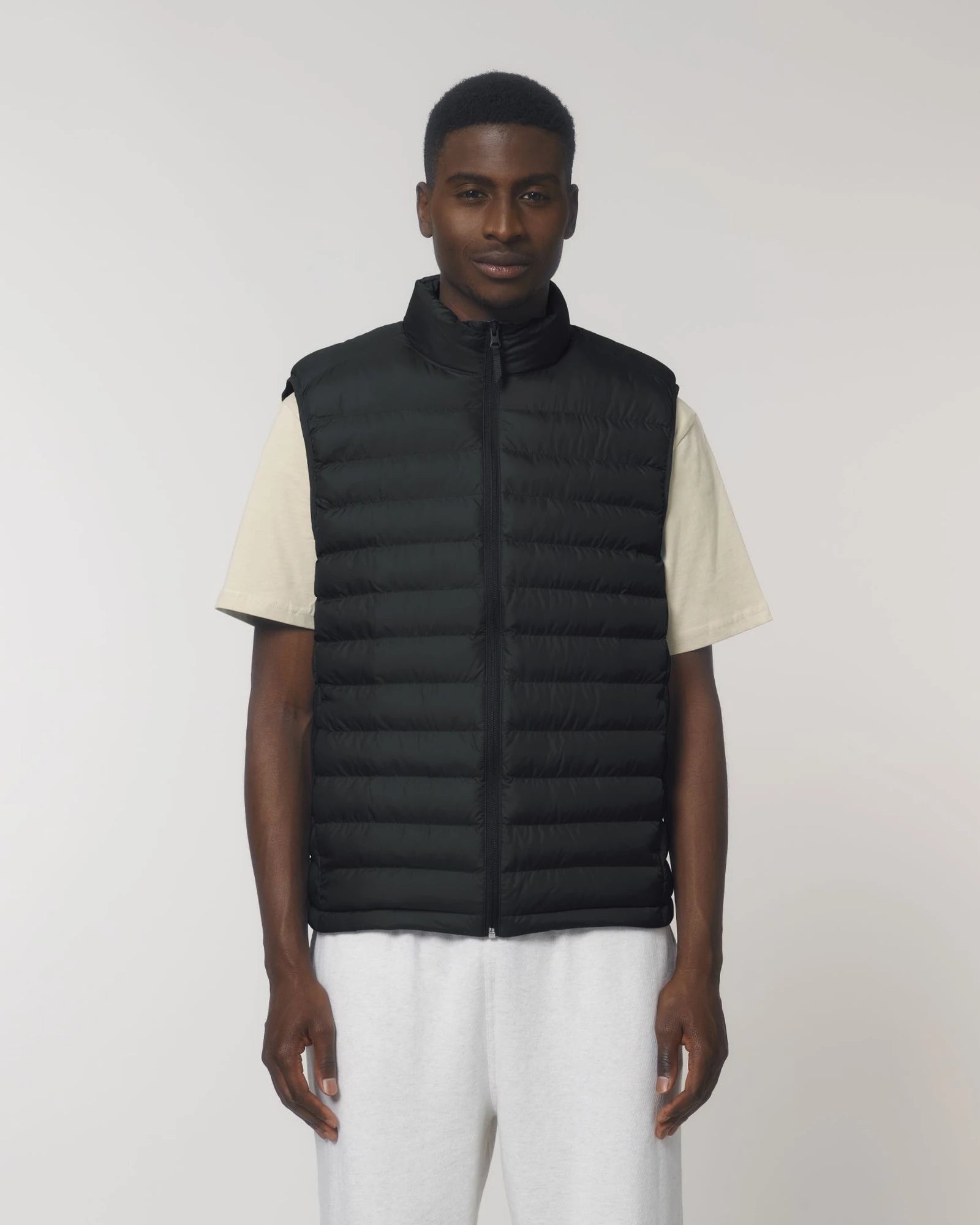


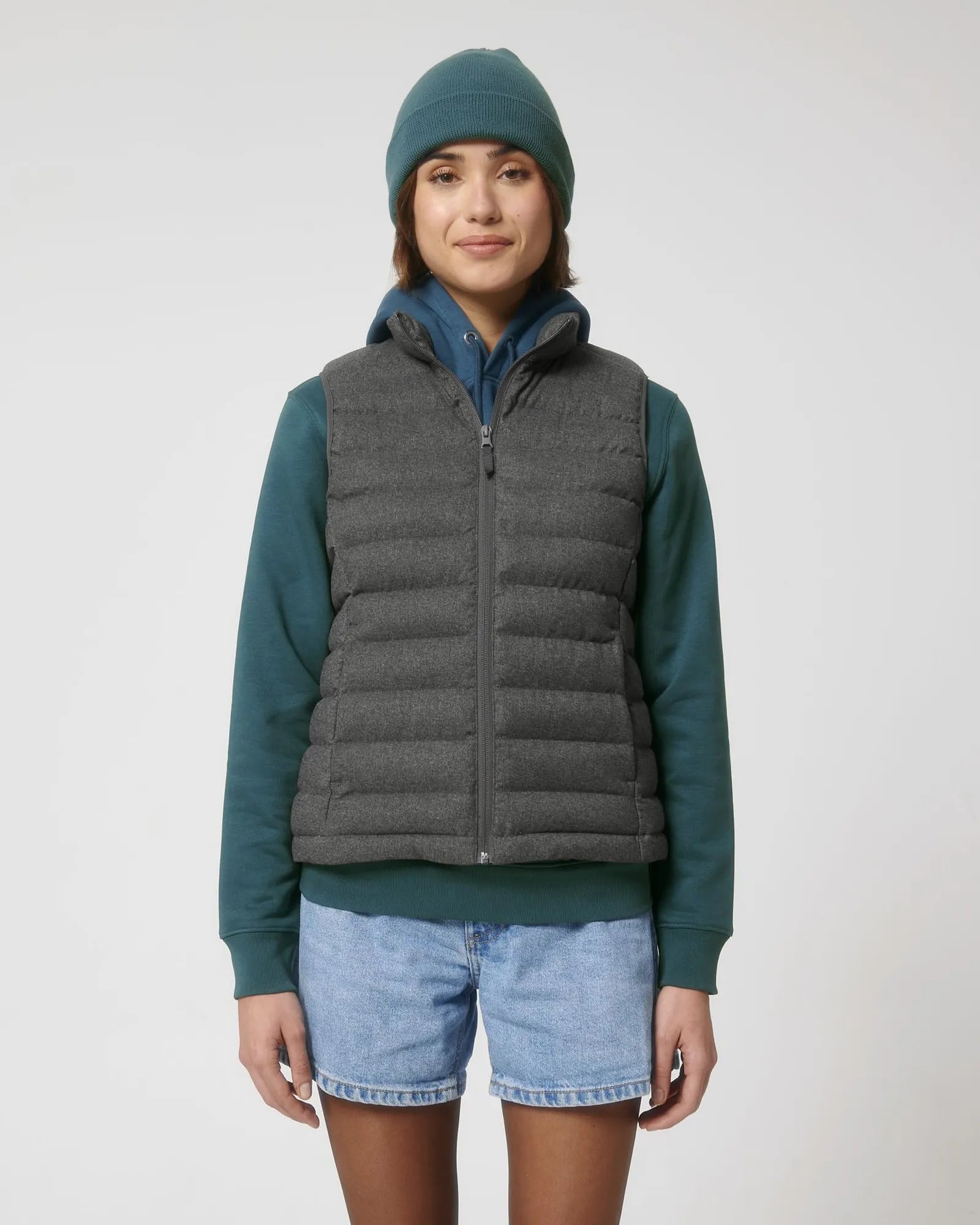


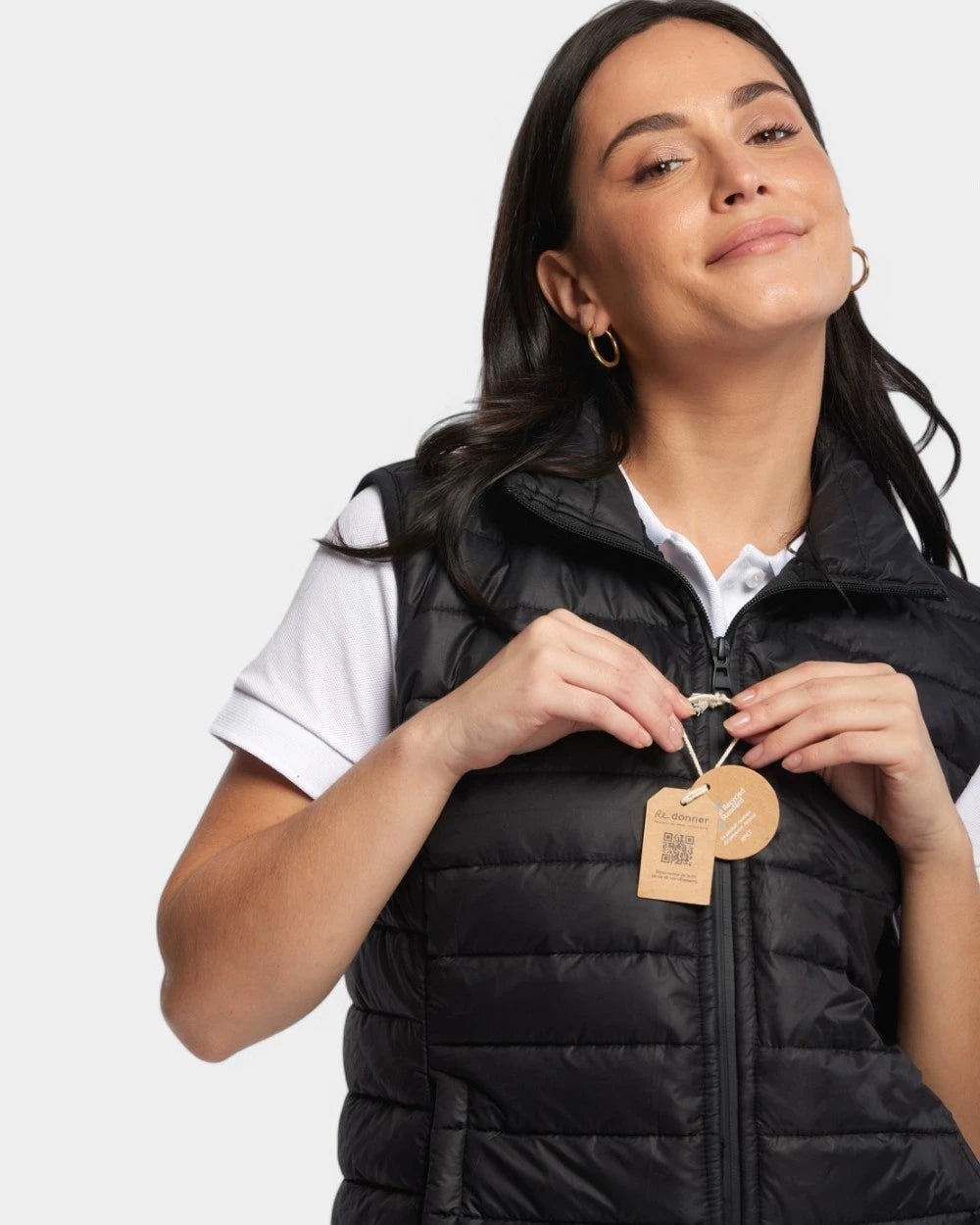


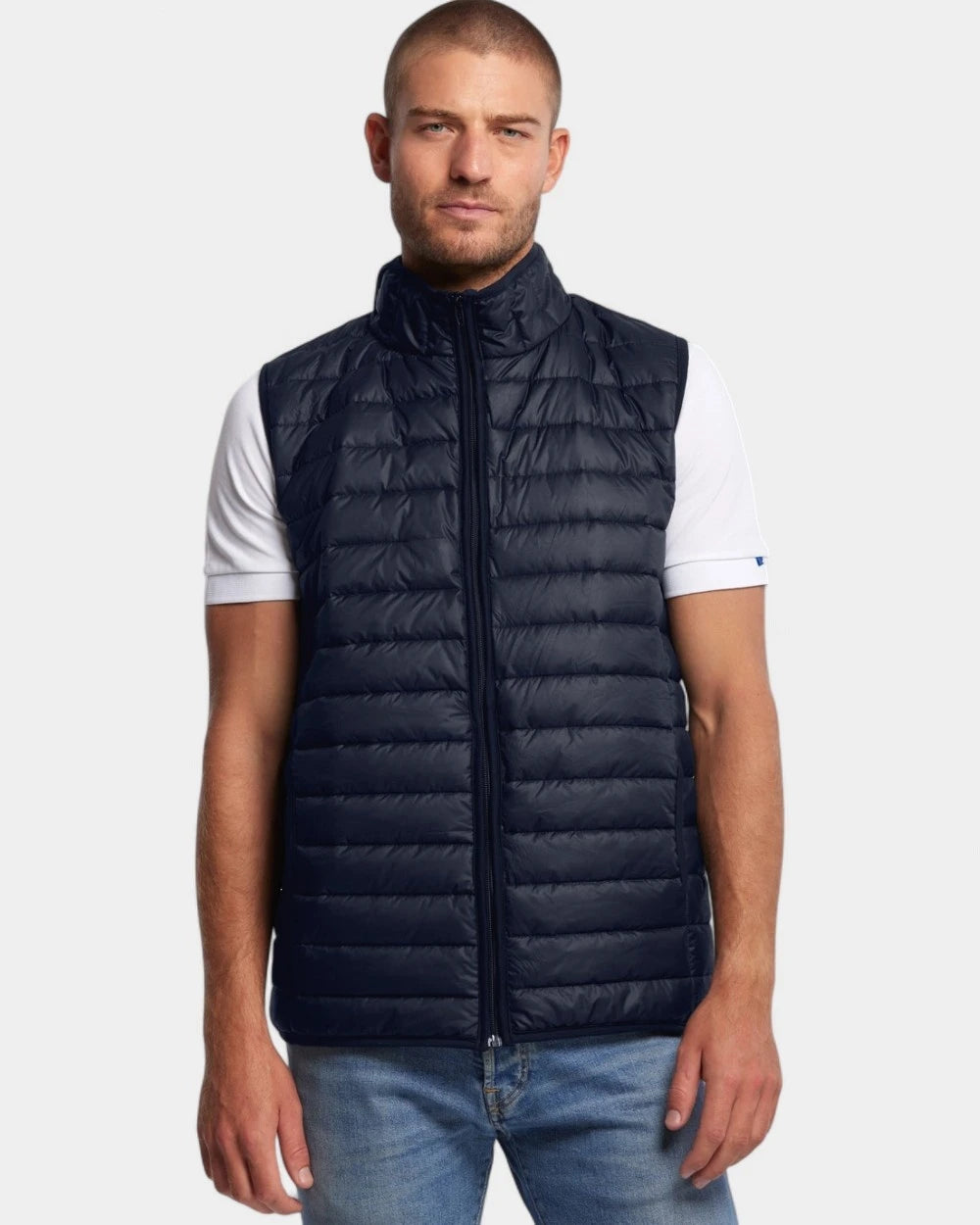


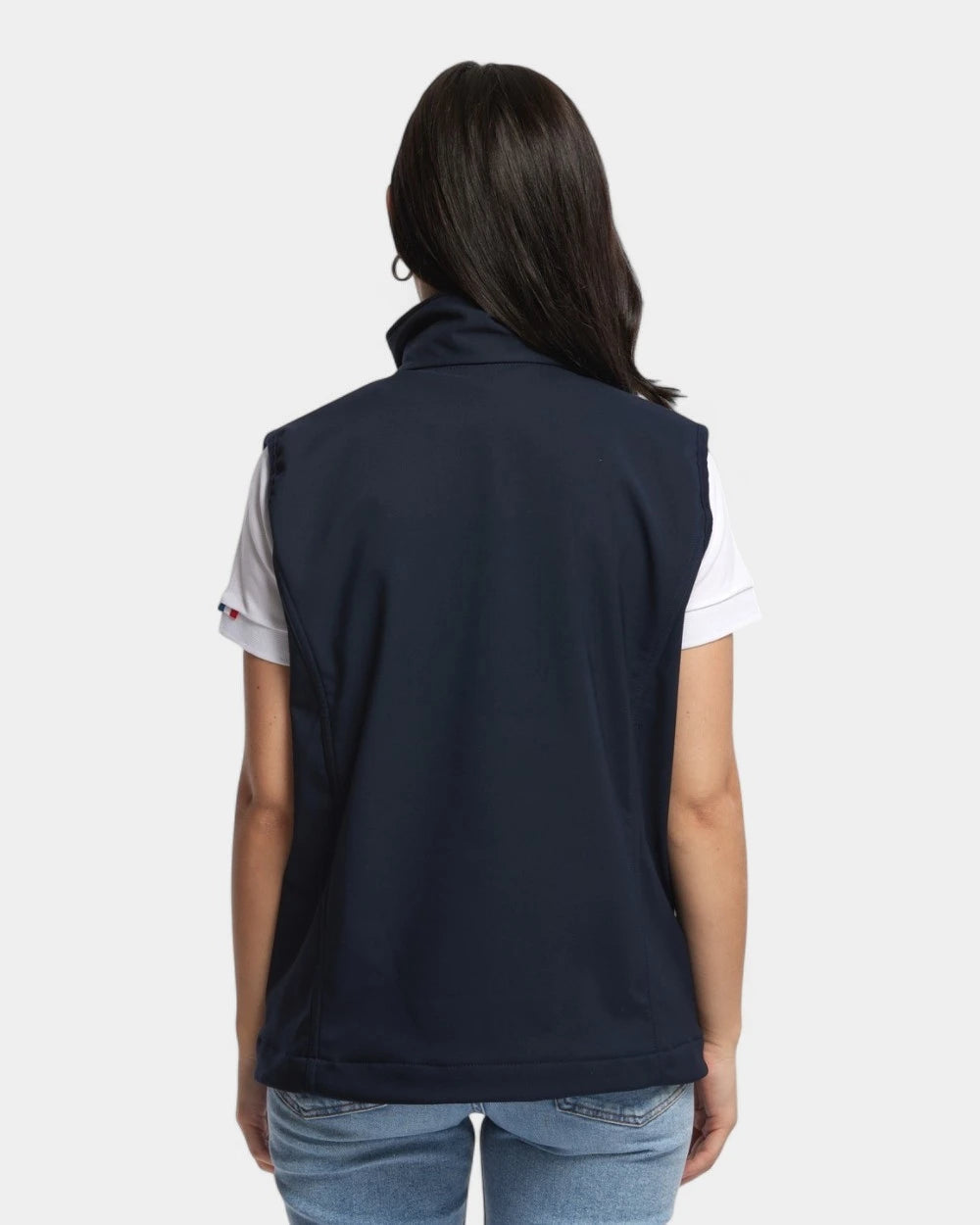


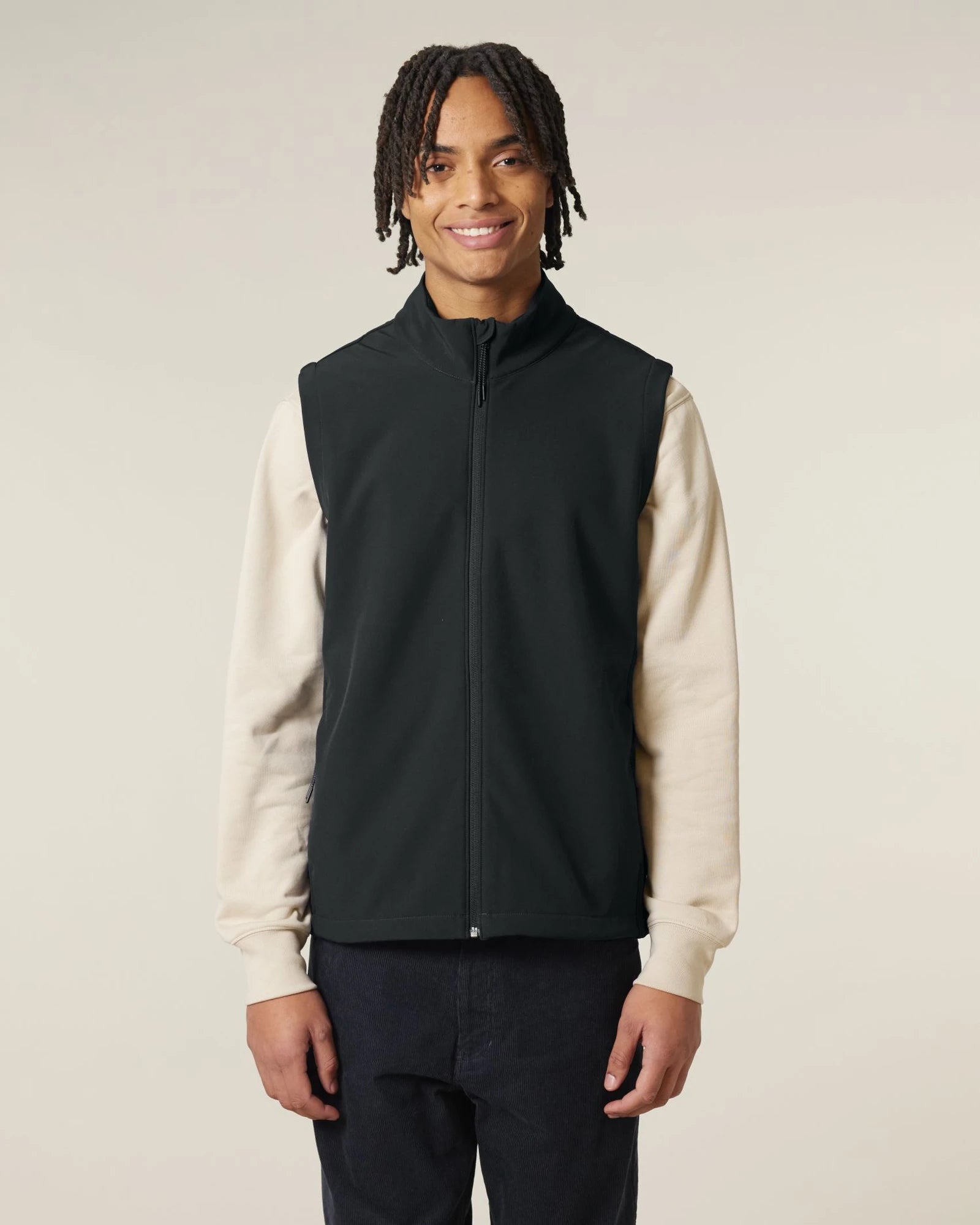


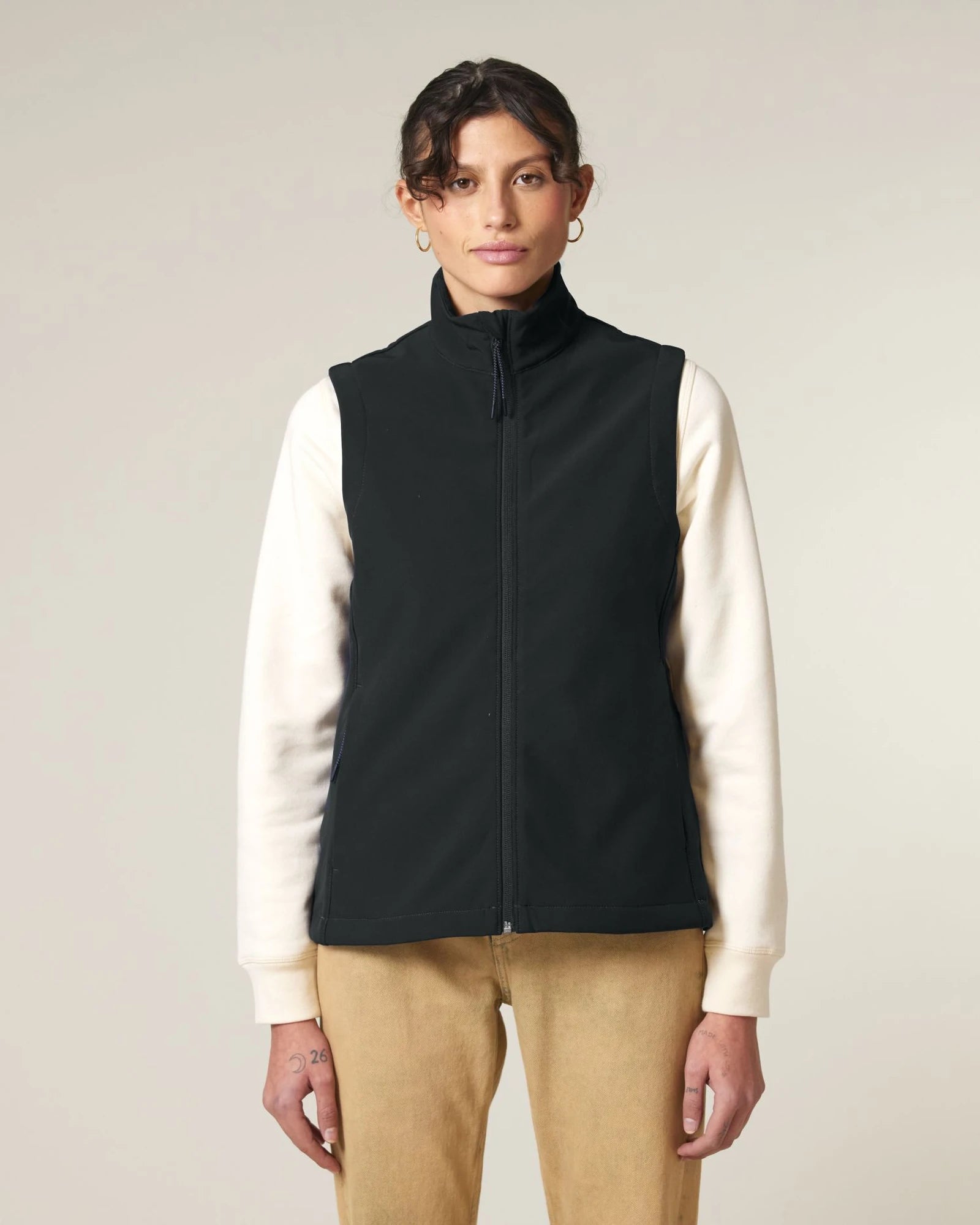


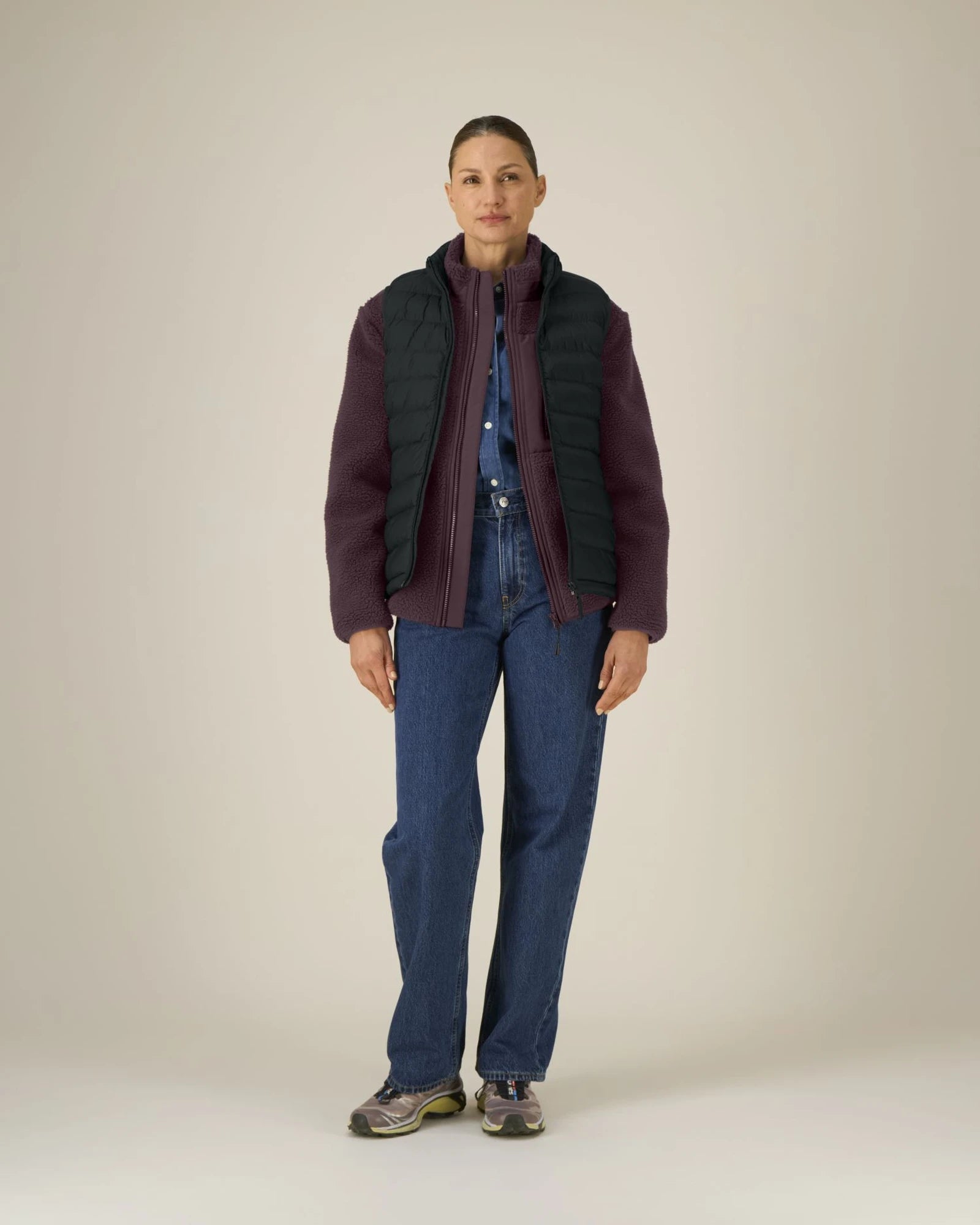


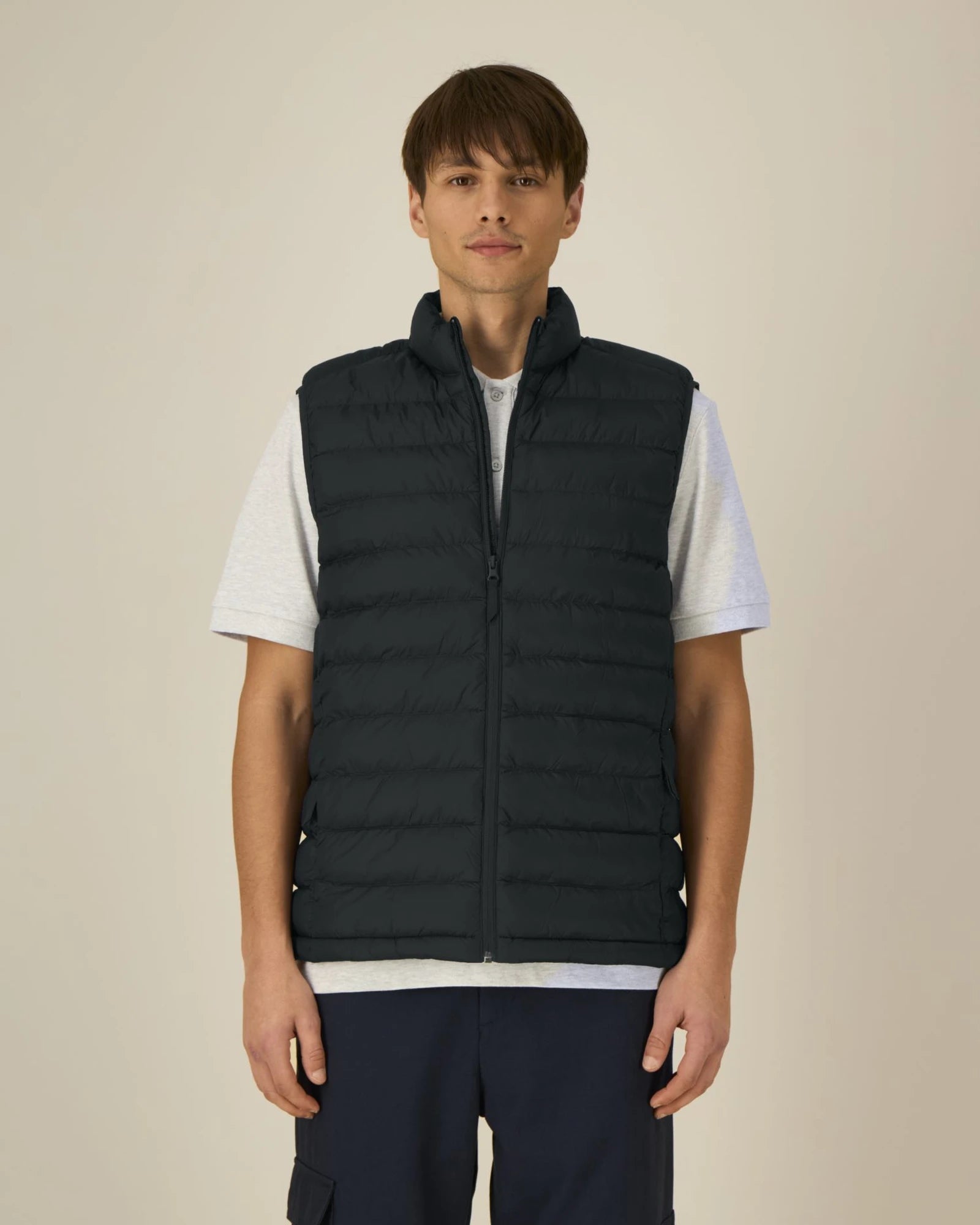


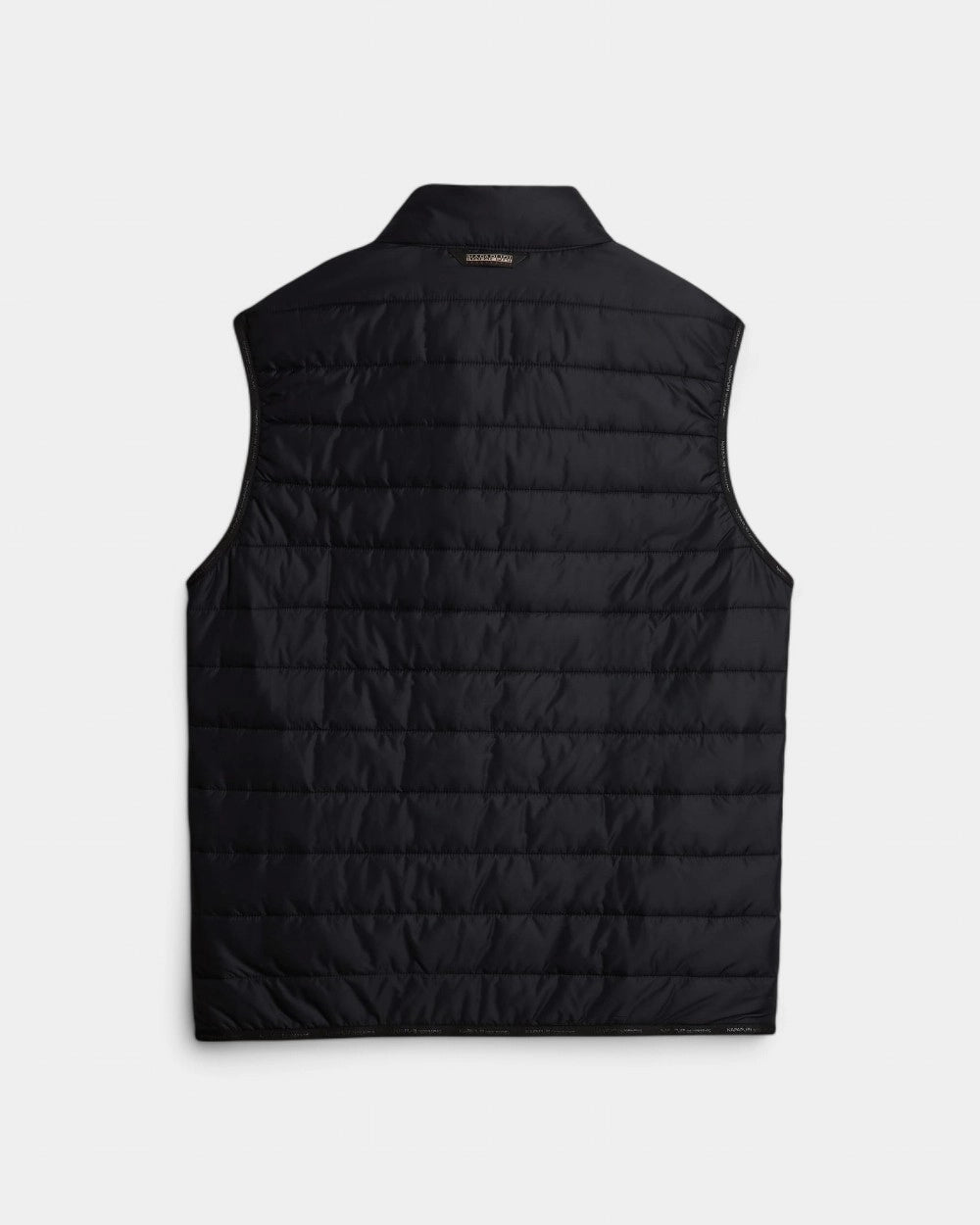


Treat your clients and employees!

FAQ - Branded bodywarmer
Trusted by 1,000+ companies
What makes padded branded bodywarmers different from a thin softshell
Loft is the whole story. A padded bodywarmer carries a measurable thickness of insulation, where a softshell gilet is a single bonded layer that traps almost no air. Squeeze the chest of a padded style and it springs back; that recovery is the wadding doing its job. For a forecourt attendant on a January shift, that loft is the difference between a layer that takes the edge off and one that actually keeps a torso warm.
The sleeveless cut stays the same reason it always was: a gritter driver, a scaffolder or a delivery crew need a free shoulder, and a coat sleeve fights every reach. What the padding adds is a working temperature floor. These warmer, personalised bodywarmers cover roughly zero to ten degrees as an outer layer, well below where a thin gilet stops coping. For the lighter end of the range, our Embroidered gilets handle the milder softshell brief.
Fill and fill weight inside personalised bodywarmers
Two fill families sit inside these printed bodywarmers. Down and down-blend pack the most warmth per gram and crush down to nothing in a van door pocket, which suits dry, hard cold and a premium gift. Synthetic wadding, a polyester batting quoted by grammage, keeps insulating when a drizzle gets through and costs noticeably less across a hundred-piece run. For most outdoor teams the synthetic route is the sensible default, because UK winters are wet more often than they are dry.
Fill weight is the figure a buyer should pin to the job, not the brochure. A 180 to 250 gsm wadding reads as an everyday team layer; push past 300 gsm and you reach the heavyweight outdoor-crew warmth, with the bulk that comes with it. Quoted figures are indicative and vary by base, so the printed bodywarmer gets specced against your typical shift temperature rather than the warmest number on paper.
| Fill | Warmth per gram | When wet | Suits |
|---|---|---|---|
| Down / down-blend | Highest, packs tiny | Loses loft | Dry cold, premium gifts |
| Synthetic 180-250 gsm | Good, everyday | Keeps warming | Year-round outdoor teams |
| Synthetic 300 gsm+ | High, bulkier | Keeps warming | Heavy winter crews |
| Recycled wadding | Good | Keeps warming | Greener procurement lines |
Baffles and quilt patterns on branded bodywarmers
Baffles are the stitched channels that pen the fill in place. Without them, wadding drifts to the hem after a few washes and leaves a cold, empty chest. Horizontal baffles give the classic country bodywarmer its ribbed front. Box quilting holds loft evenly across the panel. Diamond quilting is the smarter, dressier look for a reception or client-facing role. The pattern is structural first and a style choice second.
Baffle spacing changes how warm and how smart a printed bodywarmer reads. Wider channels trap deeper pockets of air and look rugged; tighter quilting sits flatter and tailors closer to the body under a coat. When a fuller insulated coat is the brief instead of a sleeveless layer, our Branded Padded Jackets carry the same wadding logic with sleeves added.
Embroidering a logo through the padding of personalised bodywarmers
Stitching through loft is the craft that defines branded bodywarmers in their padded form. The quilted front is springy and uneven, so a flat heat transfer puckers or cracks along a baffle seam within a season. Embroidery sinks into that surface instead, sitting raised and sharp where the fill gives the design a slight cushion. It is why thread, not print, is the standard finish for these warmer bodywarmers.
The backing decides everything. A firm cut-away stabiliser hoops under the chest panel so the springy fill cannot drag the design out of shape or dimple the face fabric. We anchor the mark inside one quilted channel, away from any baffle seam, typically left chest around 8 to 10 cm tall. Send artwork over and a digitised stitch-out proof returns within 24 hours, ahead of any production.
| Position | Typical size | Best for |
|---|---|---|
| Left chest panel | Approx. 8-10 cm | Logo within one baffle |
| Back yoke | Approx. 20-25 cm | Company name above the quilt |
| Nape / collar | Approx. 5 cm | Small mark or web address |
| Lower channel | Approx. 6 cm | Sponsor or secondary mark |
Shell fabric and weather rating of branded bodywarmers
The outer shell decides whether a padded bodywarmer shrugs off a shower or soaks it up. Most carry a durable water-repellent finish that beads light rain and keeps the fill dry long enough for a yard job. A ripstop nylon shell resists the snags of fencing wire and pallet corners; a peached polyester reads softer and dressier for a hospitality team. None of these are waterproof, so a heavy downpour still wants a hard shell over the top.
Wind is where the shell does its real work on an exposed site. A tightly woven face fabric blocks the draught that would otherwise strip warmth straight off the wadding. That is why a padded bodywarmer feels warmer than its fill alone suggests on a blustery forecourt. A high zip-up collar and a drawcord hem then seal the warmth the open arms would leak. We can flag which bases pair a wind-resistant face with a brushed inner collar. That small touch decides whether a crew keeps a padded bodywarmer fastened on a raw morning. Match the shell to the site, not the brochure, and the garment earns its place across the season. A waxed-look face suits an estate role, while a clean peached finish reads better on a hospitality team.
Pockets, zips and working details on printed bodywarmers
Printed bodywarmers prove themselves on the details a working shift demands. A zipped side pocket holds a phone fast in a gust. A fleece-lined hand pocket thaws cold fingers between tasks. A hidden inner pocket guards a pass or a fold of delivery notes. Stud-fastened flaps throw rain off the openings better than a bare zip on a wet round.
The zip itself is a wear point on a garment pulled on and off all day. A chunky moulded zip with a storm flap behind it lasts longer than a fine metal one and runs smoother with gloves on. We flag which bases carry a two-way or chin-guard zip, since those small features decide whether a crew actually keeps the printed bodywarmer done up. A garage at the hem lets a worker reach a tool belt without unzipping the whole front. An internal storm flap stops cold air whistling through the teeth on an exposed forecourt. These details cost little yet decide how a padded bodywarmer wears day to day.
Sizing and layering personalised bodywarmers
Printed bodywarmers must fasten over a fleece or a jumper with room to spare, so the cut is built a touch fuller than a thin gilet. Bases generally run unisex from small through to triple-XL, plus a shaped ladies' block on many ranges. Watch the armhole opening on a lofted style: pinch it and a thick mid-layer bunches; gape it and a draught finds the gap under the arm.
Layering is where the sleeveless padding pays off. Over a brushed mid-layer it handles a frosty start, and the warm core lets a worker drop the coat once they get moving. Where the team wears that warm middle layer, our Embroidered fleeces sit cleanly under the printed bodywarmer and share the same badge across the kit.
| Role | Suggested fill | Shell | Finish |
|---|---|---|---|
| Forecourt / delivery | 180-250 gsm synthetic | DWR ripstop | Embroidery |
| Estate / agriculture | Down-blend or 300 gsm | Peached or wax-look | Embroidery |
| Events / hospitality | Light synthetic | Soft peached | Embroidery |
| Construction / yard | 300 gsm synthetic | Heavy ripstop | Embroidery |
Printed bodywarmers and when ink still works
Print has a narrow but real place on these printed bodywarmers. Where a base carries a smoother, low-loft quilted panel rather than a deep baffled front, a heat-applied transfer comes into its own. It can hold a multi-colour crest or a photographic badge that thread cannot match. A short, one-season giveaway, where the cost of digitising would not earn itself back, is the case where printed bodywarmers beat stitching.
The trade-off is the wash cycle. Transfer on a quilted surface ages faster under repeated hot laundering than thread worked into the cloth. We point the method at your shell and your volume. Because the minimum order sits low, a small crew can badge a handful of printed bodywarmers without stepping up to a bulk commitment. Tell us the shell, the artwork and the run, and we point the right method at the job rather than the habit.
Colours, contrast and branded bodywarmers that read across a yard
A densely woven face fabric takes a deep, level colour, so a corporate navy, slate grey, forest green or jet black reads true on a padded bodywarmer beneath stitching. A contrast zip tape, a piped baffle edge or a flash of inner lining can lift a brand shade with no bespoke tooling involved. Thread then follows your palette, and a contrasting stitch on a dark shell carries the logo right across a busy site.
For a winter uniform that hangs together, pull the bodywarmer, the headwear and the gloves into a single colour story. When a smarter sleeved layer joins that rotation, our Embroidered Jackets hold the full-coat options on a matched base. A crew can then add or shed a layer as the shift demands. The same badge then reads across every garment.
Use cases for branded bodywarmers by sector
Different sectors load a padded bodywarmer in very different ways, so the right base rarely comes from a catalogue photo. A forecourt or delivery crew works in and out of a cold cab all shift, which rewards a mid-weight synthetic that keeps warming when a drizzle gets in. An estate or agricultural team faces harder, drier cold for longer stretches, so a down-blend or a heavier batting earns its bulk. Events and hospitality staff want a smarter, lighter padded bodywarmer that reads as uniform rather than workwear. Construction and yard crews need a rugged ripstop shell that shrugs off snags. Match the fill, the shell and the finish to the room and the weather, and these branded bodywarmers do the talking before anyone reads the logo. The grid below sets out the common pairings so you can fix a base before colour or stitch position.
| Sector | Recommended model | Why it fits |
|---|---|---|
| Forecourt and delivery | 180-250 gsm synthetic, DWR ripstop | Warms through drizzle, free shoulder for reaching |
| Estate and agriculture | Down-blend or 300 gsm, peached shell | Holds hard dry cold across a long shift |
| Events and hospitality | Light synthetic, soft peached shell | Smart, low-bulk layer that reads as uniform |
| Construction and yard | 300 gsm synthetic, heavy ripstop | Rugged face fabric resists snags and corners |
| Greener procurement lines | Recycled batting, recycled shell | Documented recycled share on the named base |
Volume and use then layer on top of the sector choice. A compact corporate batch for a reception team suits a tailored diamond quilt in a light synthetic. A large outdoor winter run leans on heavier batting to hold whole crews warm at a managed cost per piece. We read your typical site temperature, your wash regime and your headcount before steering a base, rather than defaulting to one habit. Tell us the shift and the weather, and the right padded bodywarmer usually picks itself from a short list. Mixed teams often split the order. A smarter quilted style covers the office, while a rugged padded bodywarmer suits the yard. Both carry one embroidered badge, so the brand reads the same across every role.
Recycled-fill branded bodywarmers and the sustainability question
A good number of ranges now run a recycled-polyester shell or recycled batting for a greener buying line. The recycled share differs from mould to mould and appears on each bodywarmer's tech pack. So whatever you cite in a tender is the documented value for the precise base in hand. Eco options are confirmed against the named style when you ask, not stated as a blanket across the range.
A recycled-batting bodywarmer behaves much like its conventional counterpart: still warm when wet, still stitched cleanly through the loft. A reporting-led buyer keeps the warmth and wear of the team outfit while hitting its targets, with the evidence pinned to the data sheet for the line actually ordered. We send the tech pack for the precise base you choose, so any claim in a tender rests on a documented figure rather than a catalogue-wide promise. Where a recycled shell and recycled batting pair on one model, the whole padded bodywarmer carries the greener story end to end.
Proofing and ordering your personalised bodywarmers
Proof stages for branded bodywarmers
Three stages move a branded bodywarmer order along: settle the base and fill, sign off the stitch-out, then run production. Digitising is paid once per logo, so the cost per bodywarmer eases off as the count climbs. A hundred-piece winter batch works out far less each than a tray of samples. Where the bodywarmer tops a softer mid-layer all shift, our Custom Hoodies take the same badge and the same gentle wash routine.
Lead time and volume on personalised bodywarmers
Once artwork is signed off, production lands in about three weeks, the proof itself turned around within a day so nothing drags at the front end. Volume also tilts the build. A compact, smart corporate batch suits a light synthetic with diamond quilting. A big outdoor winter run leans toward heavier batting to hold crews warm at a managed cost.
When the bodywarmer goes out as a staff or client gift rather than daily kit, our Corporate Gift Boxes present it cleanly for the recipient. A workwear item then arrives like a considered present rather than loose stock.
- Synthetic batting for damp sites, down-blend for dry cold
- Hold the logo within one baffle, off the seams
- 180-250 gsm everyday, 300 gsm-plus for hard winter
- Pick a DWR ripstop face for snag-prone yard work
- Grade a size kit that fastens easily over a fleece
- Run a contrast stitch on dark shells for legibility
Care and longevity that keep branded bodywarmers in service
Printed bodywarmers that hold their loft hold their warmth, so a little care matters more here than on a flat fleece. A cool wash and a low tumble re-fluff a down-blend, while a high heat can scorch a lightweight synthetic face. Fabric softener clogs the water-repellent finish and is best skipped.
The stitched badge outlasts the seasons the garment is built for. Thread worked through one baffle channel takes hot laundering far better than a transfer that ages on a quilted surface. We tuck a care note into every order so a crew keeps the finish and the fill in good order.
Longevity is the quiet cost argument too. A well-made padded bodywarmer with a tough ripstop shell stays on a yard crew for several winters. One durable layer outlasts a stack of thinner gilets that lose their loft after a season.

