

Branded diaries


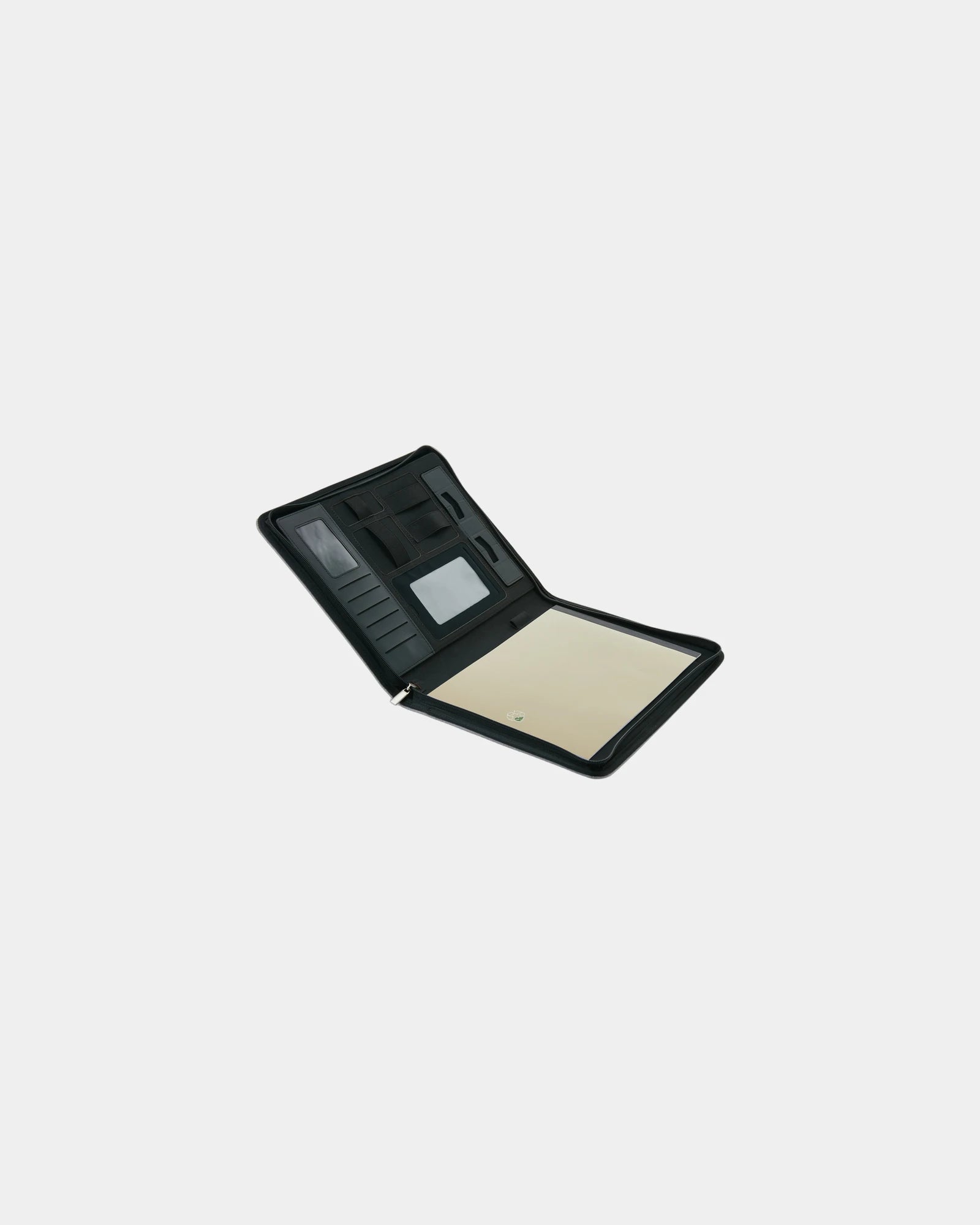


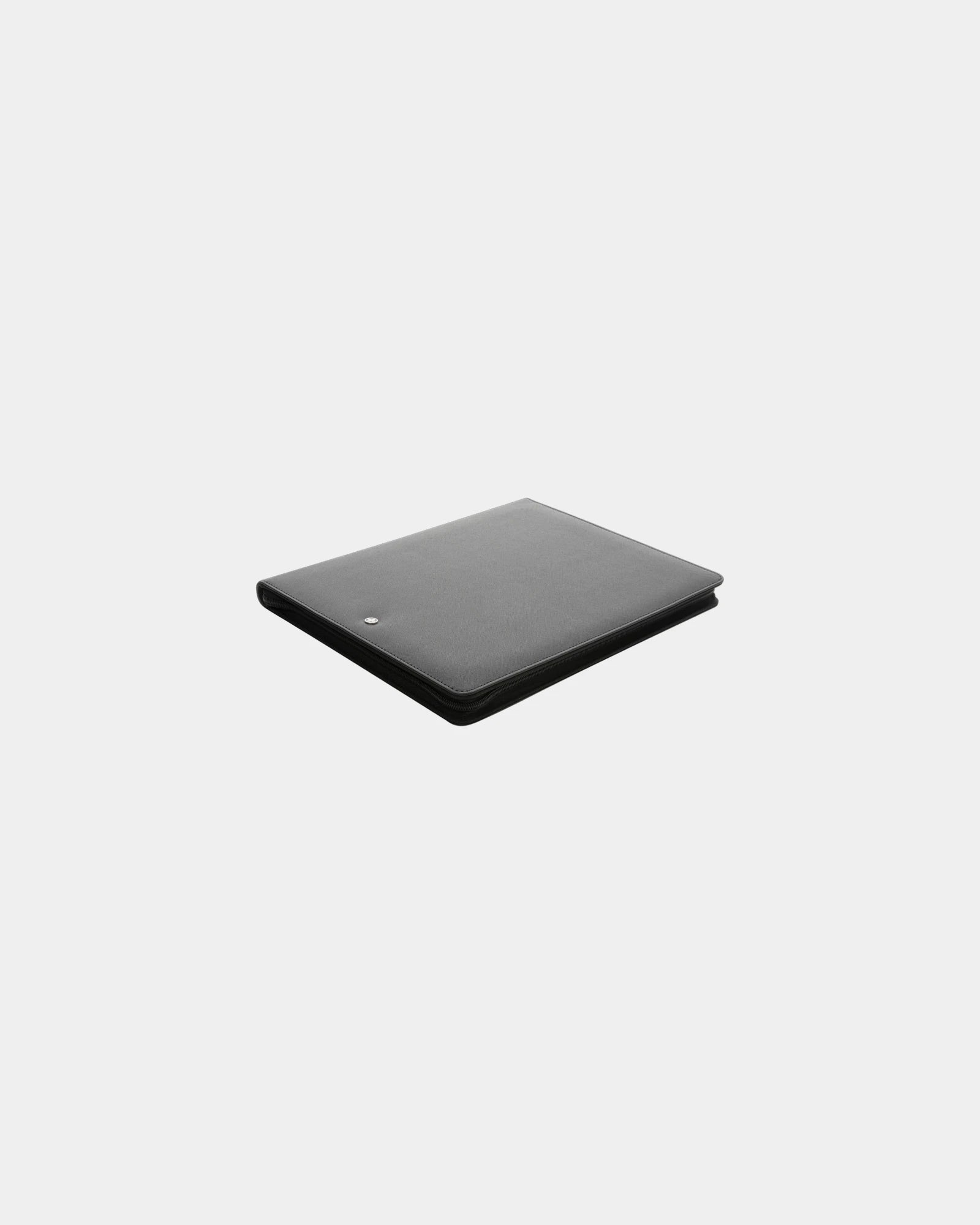


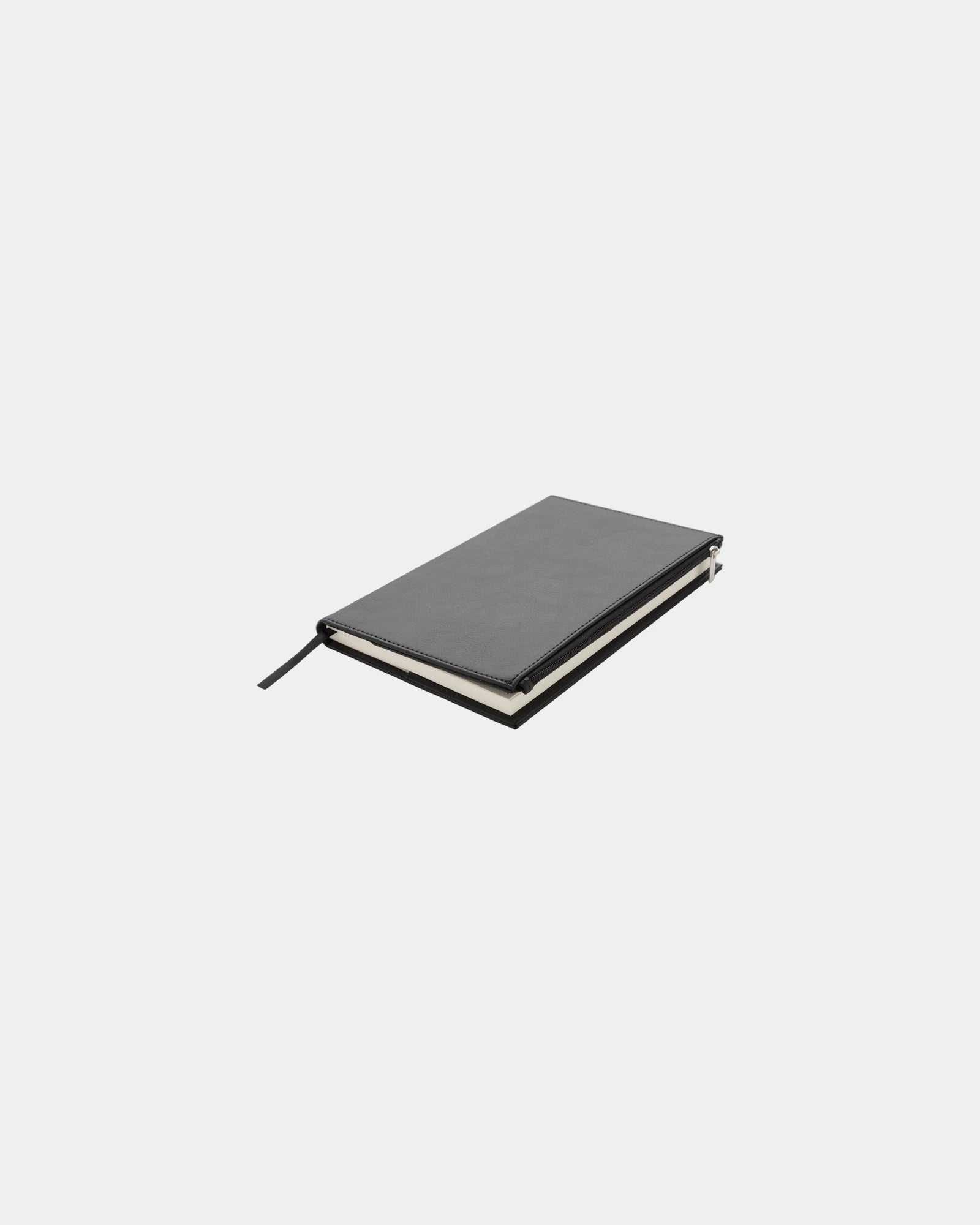





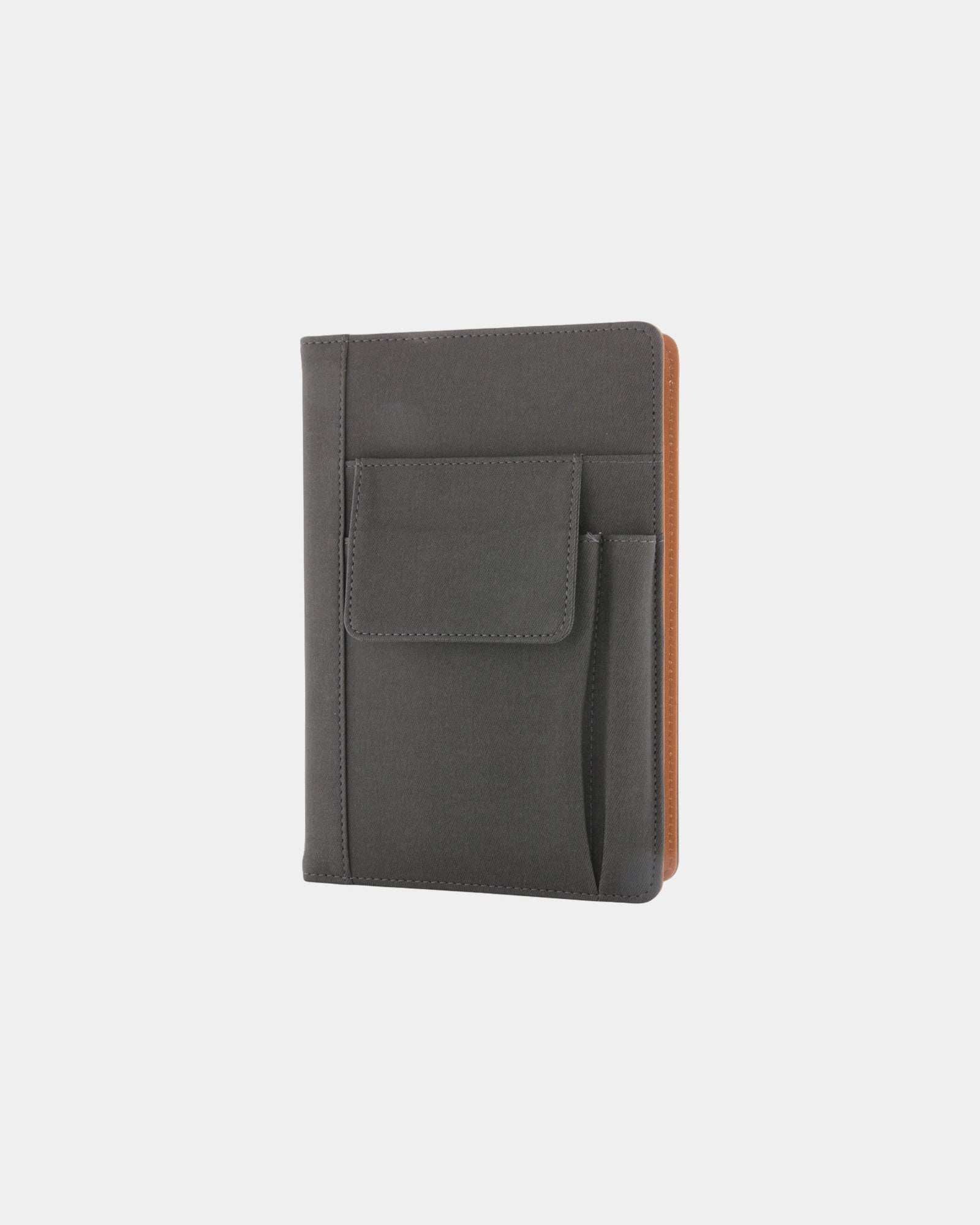






Treat your clients and employees!

FAQ - Personalised diaries
Trusted by 1,000+ companies
Promotional diaries: the dated layout decides who they suit
Promotional diaries: matching the layout to the recipient
Start with a sales manager juggling fifteen meetings a week. A week-to-view spread shows the whole week at a glance, so they plan Monday to Friday without turning a page. That single layout choice fixes who the promotional diary fits before any cover talk begins.
Day-per-page diaries give a full page to each working day, which suits solicitors, consultants and anyone logging billable time in detail. The book runs thicker and heavier, so a day-per-page A4 reads as a substantial desk item rather than a bag-carried planner.
Week-to-view on two pages stays slim and travels well, the default for client gifts and field staff. A page-a-day reference diary, with notes opposite the dates, lands between the two for managers who want room to write without the bulk of a full day per page.
Match the layout to the recipient, not to a house default. We can split one order across layouts, so a board receives day-per-page diaries while the wider team takes week-to-view, all under one cover finish and one logo.
| Layout | Space per day | Thickness | Best for |
|---|---|---|---|
| Day-per-page | Full page | Thick, heavy | Solicitors, consultants, detailed logs |
| Page-a-day with notes | Page plus notes panel | Medium | Managers needing writing room |
| Week-to-view, two pages | Shared spread | Slim | Client gifts, field staff |
| Week-to-view with notes | Half spread plus notes | Slim to medium | General office and planning |
| Two-days-per-page | Half page each | Slim | High-volume giveaways |
Printed diaries: the annual clock and an order with a deadline
Promotional diaries are the rare promotional item with an expiry date stamped inside them. A 2026 calendar-year run is useful from January, and a delivery that slips into February has already lost weeks of its working life. That makes the order date matter more than on almost any other branded product.
Plan the brief backwards from the new year, not from your convenience. Most corporate diary programmes are agreed in autumn so artwork is approved, the run is built and the books reach desks before the first working week of January. Leaving it to December risks a layout or cover being out of stock for the dated year.
Diaries are produced against a fixed annual cycle, so popular formats sell through. The earlier the brief lands, the wider the choice of layout, cover and colour you keep. We confirm availability for the dated year you need at quote stage rather than after you commit.
That deadline also shapes how a programme is budgeted. Promotional diaries are a once-a-year buy with a hard cut-off, so the spend lands in a single autumn window rather than spread across the year. Booking the slot early protects both the price and the format, because the keenest stock and the widest finish choice go to the briefs that land first. A late order pays in narrower options, not just in risk.
Approve your artwork early and we hold it on file, so a repeat order the following year reprints to the new dates without a fresh studio charge. A promotional diary programme rewards the client who books the same slot each year.
Corporate diaries in calendar-year, academic and mid-year editions
A university handing out diaries at September freshers' week needs a different clock to a law firm gifting clients in January. Academic diaries typically run late July or August through to the following summer, tracking the teaching year rather than the calendar.
Mid-year diaries bridge the gap, usually running July to July, which suits organisations whose planning sits on a financial or seasonal year rather than January to December. A fourteen-month diary adds the run-up and run-out months either side of the core year for continuity.
Calendar-year diaries remain the default for corporate gifting and staff use, dated January to December and handed out in the new year. State your year type at the brief so we match the dated insert and the print window correctly.
Branded Planners and undated diaries are the exception to the clock. An undated weekly planner carries no fixed year, so a recipient starts it whenever they like, which removes the deadline pressure and lets surplus stock carry over.
Corporate diaries: cover materials and finishing
Corporate diaries: deboss and foil finishing
The cover is what a recipient sees on their desk every morning for a year, so it does the long-term branding work. PU and soft-touch leatherette dominate corporate diary runs because they take a deboss cleanly and feel considered when picked up daily.
A blind deboss of your logo or the dated year sits flush and refined, the standard for finance and professional-services gifts. Foil blocking in gold, silver or a brand shade adds a metallic year mark to a dark PU cover, while cloth and recycled-board covers answer a softer or eco brief.
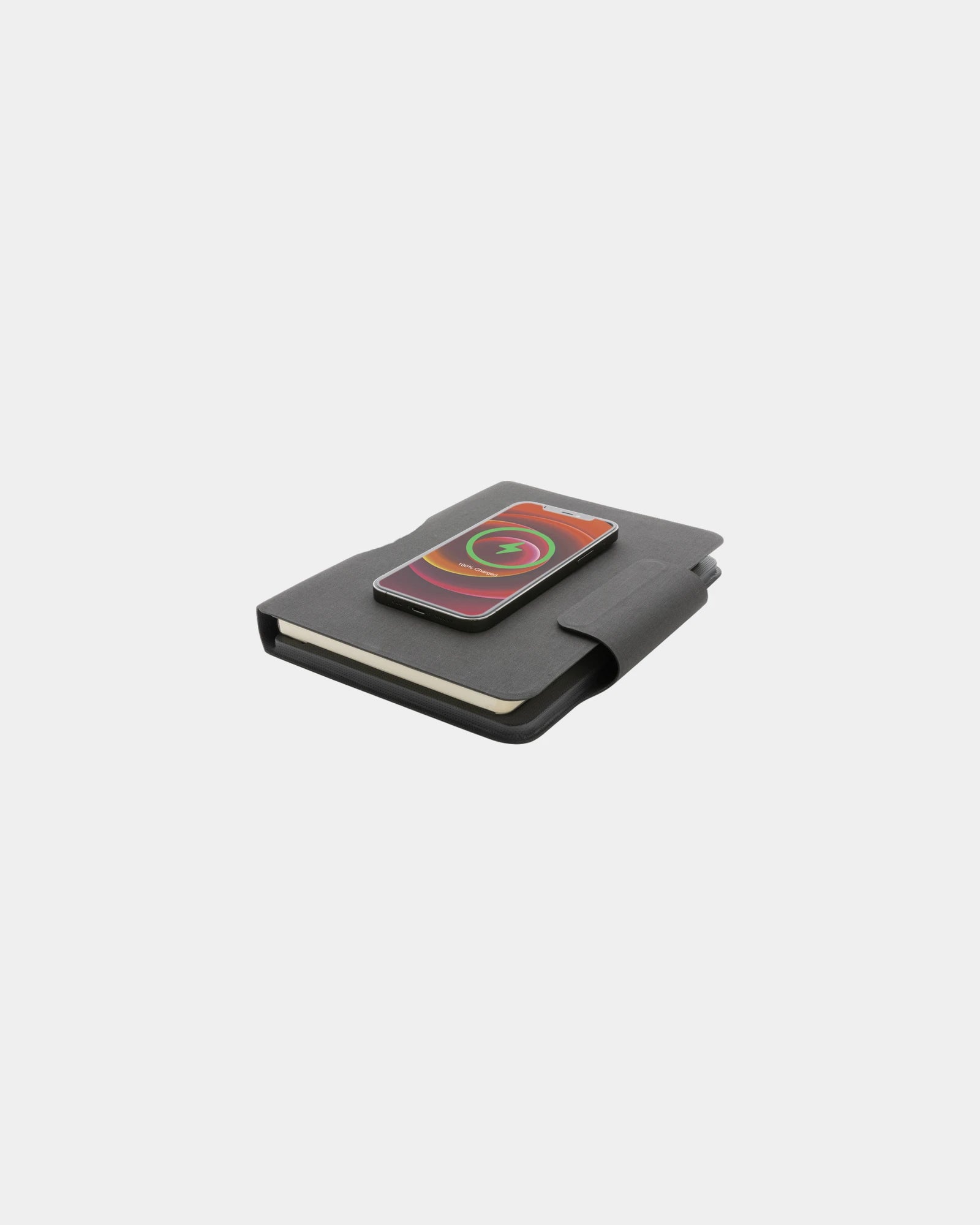
Many corporate diaries case-bound in leatherette carry a magnetic or elastic flap closure that keeps the book shut in a bag. We confirm which closures pair with which cover, since a magnetic flap suits a rigid case while an elastic band suits a flexible PU cover.
Our Branded notepads take the same deboss die and colourway as a promotional diary cover, so a desk set reads as one family rather than two unrelated handouts.
| Cover | Decoration | Closure | Reads as |
|---|---|---|---|
| Soft-touch leatherette | Blind deboss | Elastic band | Refined professional gift |
| Dark PU | Foil block, gold or silver | Elastic band | Premium client gift |
| Rigid leatherette case | Deboss or foil | Magnetic flap | Executive organiser |
| Cloth-bound board | Screen print or deboss | None or ribbon | Design-led, softer brief |
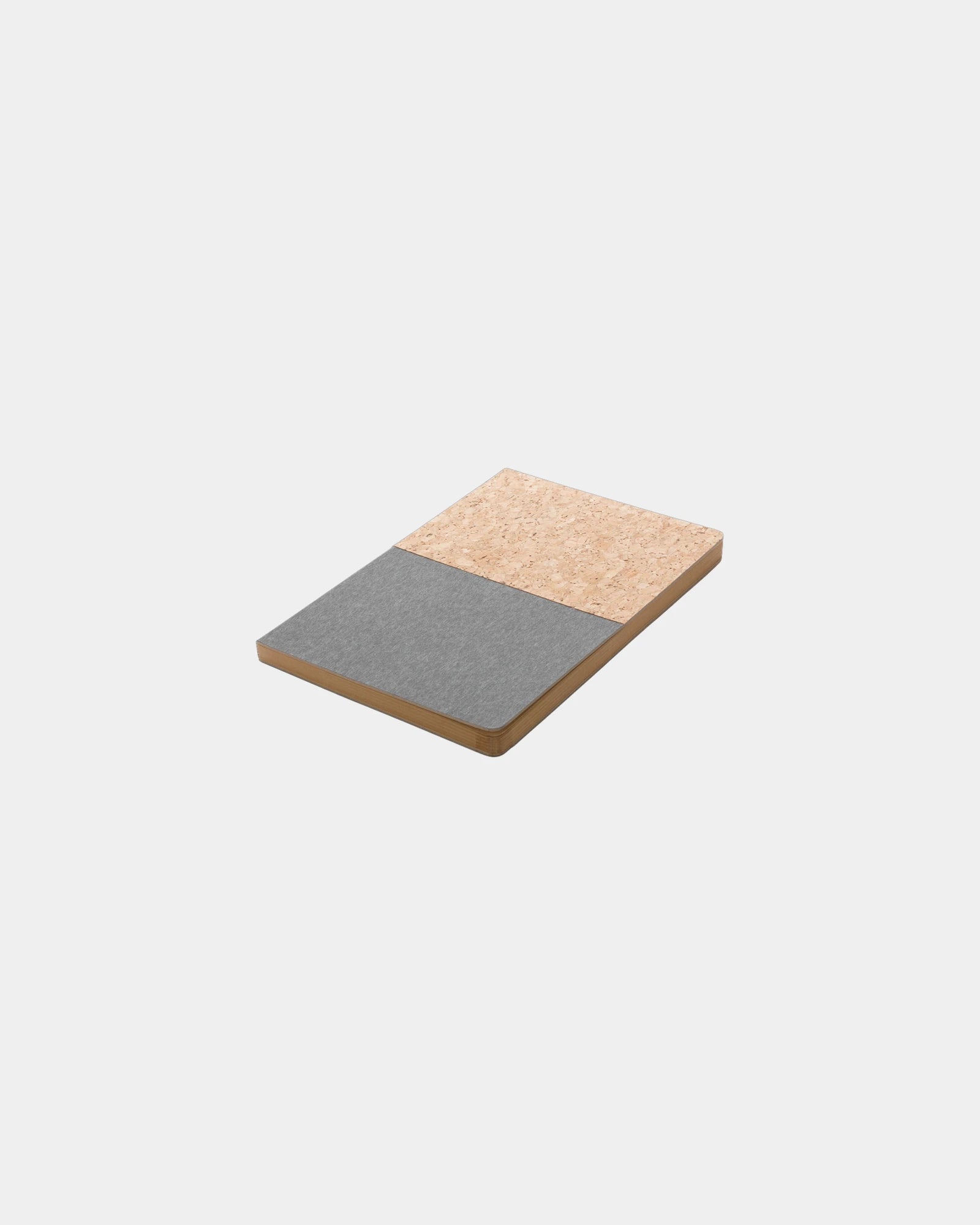
| Recycled kraft board | Water-based print | None | Eco and volume handouts |
Printed diaries: ribbon, elastic and pocket details that work daily
Open a week-to-view diary mid-January and a ribbon marker drops you straight onto the current week. That small detail is what separates a diary a recipient keeps using from one that drifts to a drawer by March.
A ribbon marker, an elastic closure and an expandable back pocket each add daily utility without changing the print or moving the cost much. The pocket holds receipts and business cards, the elastic keeps loose notes in, and the ribbon saves the daily page hunt.
Diaries often carry a printed reference section the recipient uses all year: a year planner spread, international dialling codes, conversion tables and ruled notes pages at the back. We can swap your own branded content into those pages, turning reference space into brand space.
A pen loop on the spine lets a recipient keep a writing instrument with the book. Branded pens slot into that loop to complete a desk set, and our Personalised pens match the cover colour so the pairing looks deliberate.
Branded Desk diaries, pocket diaries and wall planners
Choosing between Branded Desk diaries and pocket formats
Picture three formats reaching the same client: a desk diary that anchors their workspace, a pocket diary for the commute, and a wall planner above the team's desks. Each puts your logo in a different sightline, and together they hold a year of brand presence.
Branded Desk diaries are the substantial format, usually A4 or A5, sitting open on a desk and seen by everyone who visits it. A pocket diary in A6 or slimmer slips into a jacket or bag for diary use on the move, a low-cost giveaway that still carries a printed cover.
A wall planner is a different animal: a single large sheet, often A1 or A2, showing the whole year at once for team scheduling. Its broad header and margins carry a logo that stays visible in an office for twelve months, which is unmatched value per impression.
Match the format to where the brand needs to be seen. A desk diary works for an individual recipient, a wall planner for a shared space, and a pocket diary for volume handouts where budget per unit leads.
| Format | Size approx. | Where it lives | Best for |
|---|---|---|---|
| Desk diary | A4 or A5 | Open on a desk | Individual managers, client gifts |
| Pocket diary | A6 or slimmer | Jacket or bag | Field staff, volume giveaways |
| Wall planner | A1 or A2 | On an office wall | Team scheduling, shared spaces |
| Organiser diary | A5 padded | Carried daily | Executive and senior gifting |
| Refillable organiser | A5 ring binder | Carried for years | Long-term, year-on-year users |
Branded Planners and refillable organisers versus fixed-year diaries
A finance director who keeps the same planner for a decade is a refillable case, not a fixed-year one. A ring-bound organiser keeps a branded leather or PU cover and takes a fresh dated insert each year, so the gift outlives a single calendar.
Fixed-year diaries are bound as one book for one dated year, the right route for gifts and giveaways where the recipient expects a fresh diary annually. A refillable organiser costs more up front but earns its keep when the same user reorders inserts year after year. Pairing one with our Personalised notebooks gives a senior recipient a matching dated planner and an open writing book in one cover finish.
For a long-term client or a senior hire, a refillable organiser is the stronger statement. It implies a multi-year relationship and keeps your debossed cover in their hand far beyond the first January. We confirm insert sizes and ring formats so future refills fit the same cover.
Branded pencils suit the loop of an organiser where a recipient prefers graphite for planning. Our Personalised pencils carry the same logo as the cover for a coordinated set.
Promotional diaries as a year-round brand presence
Most promotional items get one moment of attention then fade. A diary is opened on a desk most mornings for twelve months, so your logo earns hundreds of impressions per recipient across a single year. That repeat exposure is the core reason printed diaries hold their place in corporate gifting.
The cost per impression is what makes the case on paper. Set the unit price of a diary against twelve months of daily opens and the figure per view is tiny, far below a one-look handout. A wall planner stretches that further still, since its header sits in a shared office in view of a whole team. Few branded items deliver that ratio, which is why a diary survives every budget review.
Promotional diaries work hardest when the recipient genuinely uses them, which loops back to layout and quality. A diary that fits how someone plans, with the right ribbon and a durable cover, keeps your brand in daily view rather than in a drawer.
Co-branding suits a diary cover where a logo sits beside a partner or sponsor mark. We lay the panel out so both land cleanly, and a printed inside-front page can carry a longer message, contact block or a year's calendar at a glance.
Branded sticky notes tuck inside a diary's back pocket and refresh the desk set through the year. Our Branded sticky notes take the same colourway so the stationery stays consistent on the desk.
Promotional diaries: print, artwork and proofing
Promotional diaries for a January send-out, say a run of three hundred, fix the print method before anything else. Deboss and foil need a die cut from clean vector paths, so we accept logos as AI, EPS or print-ready PDF with fonts outlined.
Cover branding usually lands as a blind deboss, a foil block or a printed full-colour wrap on a paper-cased cover. Inside-page print, such as a branded title page or a footer through the dated section, runs alongside the cover and rarely shifts the schedule much.
A digital proof of the cover always reaches you for written sign-off before any diary goes to production. A pre-production sample can be arranged on request when a finish needs checking in the hand, so nothing prints unseen.
Where a strict brand shade matters, name it as a Pantone at the brief. Foil and spot methods hold a named colour closely, while a full-colour printed cover builds colour from a process mix that we proof carefully before the run.
- Diary-specific options to settle at the brief:
- Dated year type, calendar, academic, mid-year or undated
- Layout, day-per-page, page-a-day or week-to-view
- Cover, PU, leatherette, cloth or recycled board
- Closure, elastic band, magnetic flap or none
- Marker and pocket, ribbon, pen loop, back pocket
- Branded reference pages or a co-branded inside front
Printed diaries: eco and recycled options for a sustainable brief
Promotional diaries can meet a recycled brief by specifying the inner paper separately from the cover, which suits a procurement team that must report a percentage. Recycled-content dated pages can run at a stated post-consumer percentage rather than a vague green claim, which gives the report a real figure.
A kraft or recycled-board diary cover takes a blind deboss of your logo and the dated year without a laminate film. The whole book then stays kerbside-recyclable when the year ends. We can run the dated inner pages at a stated recycled percentage to match a procurement target, confirmed against the mill spec before it reaches your copy.
An undated recycled planner is the lowest-waste option, since surplus stock carries over to a later year instead of expiring with the calendar. We weigh that against a dated diary when zero year-end waste matters to the brief.
For a coordinated low-cost eco handout, our Branded European Made Pens pair with a recycled diary in a welcome pack and keep the per-kit cost manageable across a large run.

